A Coruña, Spain
- 246,056 people
- 13 places to visit
- 43.3623, -8.4115
Places to Visit (13)
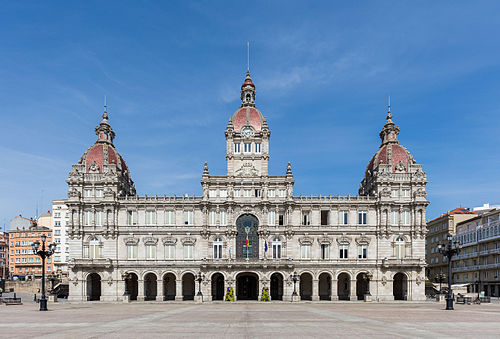
A Coruña, located in the northwest region of Spain in the autonomous community of Galicia, is a vibrant city known for its rich history, stunning coastline, and unique cultural heritage. Situated on the Atlantic Ocean, A Coruña is a significant port city and serves as one of Galicia's main urban centers. The city's strategic location has played a crucial role in its development as a hub for trade and maritime activities. Its population exceeds 240,000, making it one of Spain's largest cities. A Coruña boasts a temperate oceanic climate, characterized by mild winters and cool summers, with rainfall distributed fairly evenly throughout the year.
One of A Coruña's most iconic landmarks is the Tower of Hercules, a Roman lighthouse that is a UNESCO World Heritage Site, dating back to the 2nd century. The tower stands as a symbol of the city's long maritime history and offers breathtaking views of the surrounding coastline. The city is also known for its picturesque beaches, such as Orzán and Riazor, which attract both locals and tourists alike. A Coruña's historic old town, with its narrow streets and traditional Galician architecture, features several historical sites, including the María Pita Square, dedicated to the legendary figure who defended the city from English attack in the late 16th century. The presence of numerous cultural institutions, such as museums, theaters, and galleries, reflects the city's commitment to preserving its rich artistic legacy.
Culinary traditions play a vital role in A Coruña's identity, with seafood dishes being a highlight of Galician cuisine. The city is renowned for its octopus, empanadas, and a variety of fresh fish, making it a popular destination for food lovers. A Coruña also hosts vibrant festivals and events throughout the year, showcasing its dynamic cultural scene. The most notable is the Fiesta de San Juan, celebrated in June, which includes bonfires and fireworks along the beaches. The city, with its mix of historical significance, cultural offerings, and natural beauty, continues to be a captivating destination in Spain, drawing visitors eager to explore its unique charm and heritage.
Facts about A Coruña
- A Coruña is home to the Tower of Hercules, a Roman lighthouse built in the 2nd century that is still in operation today, making it one of the oldest lighthouses in the world.
- The city is renowned for its unique ‘glass balconies’ or 'galerías', which are a distinctive feature of A Coruña's architecture and provide stunning views of the ocean while protecting from the rain.
- A Coruña is known for its vibrant beach culture, particularly at beaches like Orzán and Riazor, which are popular for surfing, sunbathing, and beach sports.
- The city has a significant historical connection to the English Armada, as it was a key location during the conflict between England and Spain in the late 16th century.
- A Coruña is famous for its gastronomic scene, particularly for seafood dishes, with local specialties including pulpo a la gallega (octopus) and empanada gallega (Galician pie).
- The city hosts the prestigious 'Festival Internacional de Cine' (International Film Festival), which attracts filmmakers and cinephiles from around the world, showcasing both international and local cinema.
- A Coruña is the birthplace of the renowned writer María Pita, who played a crucial role in defending the city during the English attack in 1589, and her legacy is celebrated with a monument in her honor.
- The city features a unique combination of urban and natural landscapes, with notable parks such as the Monte de San Pedro, which offers panoramic views of the surrounding coastline and mountains.
- A Coruña boasts a strong sporting culture, particularly in football, with FC Deportivo de La Coruña being one of the historic clubs in Spanish football that has achieved notable successes.
- The city is also recognized for its cultural institutions, including the Museum of Fine Arts and the Domus (Museum of Humanity), reflecting its commitment to the arts and human studies.