Aalborg, Denmark
- 142,937 people
- 16 places to visit
- 57.0488, 9.9218
Places to Visit (16)
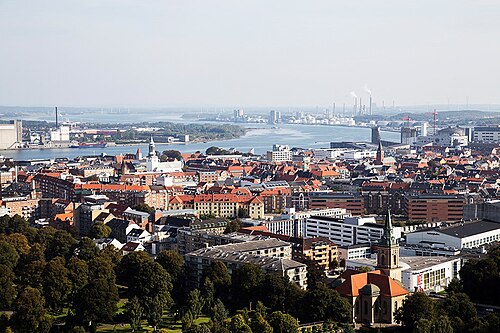
Aalborg is a vibrant city located in the northern part of Denmark, serving as the fourth largest city in the country. Known for its rich history and dynamic cultural scene, Aalborg lies along the Limfjord, a narrow sound that separates the Jutland peninsula from the island of Vendsyssel. The city has roots that date back to the Viking Age, with the first recorded mention in the 11th century. Today, Aalborg seamlessly blends its historical heritage with modern development, evident in its restored medieval buildings and contemporary architecture.
One of Aalborg's most notable features is the Aalborg waterfront, which has undergone significant transformation in recent years. The area has been revitalized into a lively space for both residents and tourists, featuring parks, recreational areas, and cultural institutions such as the renowned Utzon Center, named after the famous Danish architect Jorn Utzon. Aalborg is also home to the Aalborg Carnival, one of the largest and most celebrated carnivals in Northern Europe, attracting thousands of visitors each year with its colorful parades and festive atmosphere. The city’s education sector is highlighted by Aalborg University, known for its innovative approach to learning and research, particularly in engineering and the social sciences.
Economically, Aalborg has evolved from its historical reliance on shipping and agriculture to a diverse industrial base, including technology, manufacturing, and healthcare. The city is known for its strong emphasis on sustainability and green energy initiatives, positioning itself as a leader in this sector within Denmark. Additionally, Aalborg is well connected through transportation networks, with both road and rail links facilitating access to other major Danish cities. The combination of cultural richness, economic vitality, and picturesque natural surroundings makes Aalborg a uniquely attractive place to live, work, and visit.
Facts about Aalborg
- Aalborg is known for its unique blend of modern architecture and historic buildings, such as the Aalborg Tower, which offers panoramic views of the city and surrounding areas.
- The city is home to the annual Aalborg Carnival, one of the largest carnival celebrations in Northern Europe, attracting thousands of visitors each year with vibrant parades and costumes.
- Aalborg was once a significant center for the Danish shipping industry in the 19th century, leading to its nickname 'The Gateway to the North.'
- The city's waterfront area, known as the 'Aalborg Waterfront', has undergone significant redevelopment, featuring parks, restaurants, and cultural spaces, distinguishing it from more traditional city centers in Denmark.
- Aalborg boasts the world's largest collection of historical ship models at the Aalborg Maritime Museum, highlighting its rich maritime history.
- Aalborg is recognized for its role in the production of aquavit, a traditional Scandinavian spirit, with several distilleries located in and around the city.
- The Utzon Center, designed by the renowned architect Jørn Utzon, serves as a cultural institution dedicated to architecture, art, and design, making it a distinctive landmark in Aalborg.
- Aalborg University is noted for its innovative approach to education and research, particularly in the fields of engineering and social sciences, attracting students from around the globe.
- The city features the historic Jomfru Ane Gade, known as the longest party street in Denmark, filled with bars and nightclubs, offering a lively nightlife scene uncommon in other cities.
- Aalborg is home to the famous Aalborg Historical Museum, which showcases the local history from the Viking age to modern times, offering a unique insight into the city’s heritage.