Aba, Nigeria
- 1,160,000 people
- 6 places to visit
- 5.1216, 7.3733
Places to Visit (6)
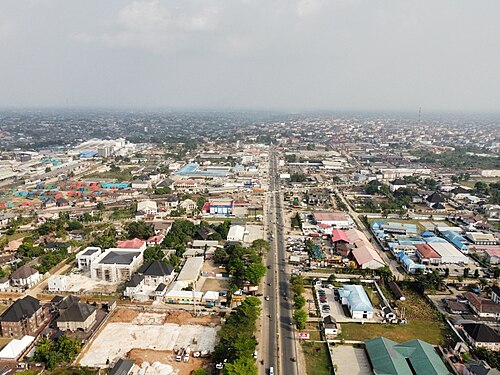
Aba is a vibrant city located in Abia State, southeastern Nigeria. Known as a major commercial and industrial hub, it has a rich history rooted in trade and craftsmanship. The city was founded in the mid-19th century and has since developed into one of Nigeria's leading centers for commerce, particularly renowned for its textile, leather, and shoe manufacturing industries. The local economy thrives on small and medium-sized enterprises, often referred to as "small-scale industries," which engage in the production of a variety of goods ranging from clothing to household items. The city’s market, known as Ariaria International Market, is one of the largest markets in Nigeria, attracting traders and buyers from various regions and contributing significantly to the economic landscape of the area.
Aba is not just an economic center; it is also rich in culture and community life. The city is characterized by a blend of traditional and modern influences, with various ethnic groups contributing to its cultural tapestry. Its people, predominantly of the Igbo ethnic group, celebrate numerous festivals that showcase traditional music, dance, and craftsmanship. Notable landmarks include the Aba War Museum, which reflects the city's historical significance, especially during the Biafran War. Educational institutions such as Abia State Polytechnic and several secondary schools contribute to the city's intellectual development. Transportation infrastructure is continually evolving, with road networks connecting Aba to other major cities in Nigeria, facilitating trade and mobility. Despite challenges such as infrastructural deficits and urbanization pressures, Aba continues to grow and adapt, maintaining its position as a critical city in Nigeria’s economic framework and cultural heritage.
Facts about Aba
- Aba is known as the 'Japan of Africa' due to its vibrant manufacturing and production industries, especially in footwear and textiles.
- The city played a significant role in the Nigerian Civil War (1967-1970), serving as a major industrial hub for the Biafran government.
- Aba is home to the popular Ariaria International Market, one of West Africa's largest markets for consumer goods and textiles.
- The city hosts the National War Museum, which showcases the history of the Nigerian Civil War and artifacts from that period.
- Aba boasts a rich cultural heritage, including the annual Aba Festival, which celebrates the traditions and arts of the local Igbo people.
- The city is recognized for its entrepreneurship, with a notable number of small and medium-sized enterprises, leading to a high rate of local innovation.
- Aba is strategically located near major highways and railways, making it an important transportation and trade hub in southeastern Nigeria.
- The city has a unique blend of urban and rural lifestyles, with a mix of modern developments alongside traditional markets and communities.
- Aba's educational institutions, including Abia State University, contribute significantly to higher education in Nigeria.
- The city's landscape is characterized by a mix of hills and valleys, along with a tropical climate that supports diverse vegetation.