Abadan, Iran
- 370,180 people
- 4 places to visit
- 30.3666, 48.2755
Places to Visit (4)
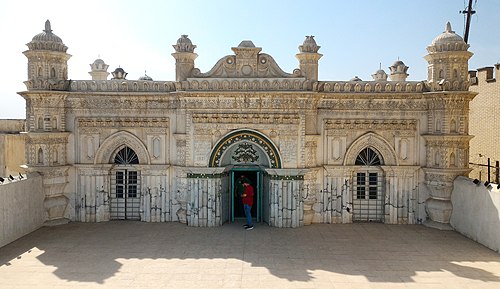
Abadan is a significant city located in southwestern Iran, primarily within the Khuzestan Province. The city lies on the Arvand River, near the border with Iraq, and is known for its strategic position and industrial importance. With a population exceeding 200,000, Abadan is one of the largest cities in Khuzestan and a major hub for the oil industry. The city is home to one of the largest oil refineries in the world, which has been a cornerstone of the local economy since its establishment in the early 20th century. The refinery plays a crucial role in Iran's oil production and export, making Abadan vital not only to the region but also to the national economy.
Historically, Abadan has undergone significant changes, particularly during the tumultuous events of the 20th century. The city experienced rapid growth during the oil boom of the 1950s and 1960s, attracting a diverse population from different parts of Iran and beyond. This demographic shift contributed to a vibrant mix of cultures, traditions, and economic activities. However, Abadan also faced challenges, particularly during the Iran-Iraq War (1980-1988), when the city suffered extensive damage due to bombings and military confrontations. Despite these hardships, Abadan has seen significant reconstruction efforts in the years following the war.
Today, Abadan is working towards economic diversification beyond oil, fostering initiatives in areas such as trade, transportation, and agriculture. The city's proximity to international trade routes and its access to the Arvand River enhance its potential as a commercial center. Additionally, efforts to improve infrastructure, including transportation links, aim to boost the economy and attract investment. The cultural legacy of Abadan, encompassing unique architectural styles shaped by its industrial past and diverse populace, continues to be a point of interest for residents and visitors alike. As Abadan strives to adapt to modern challenges, it remains an integral part of Iran's historical and economic landscape.
Facts about Abadan
- Abadan is home to one of the largest oil refineries in the world, the Abadan Refinery, which was established in 1912 and played a significant role in the development of Iran's oil industry.
- The city has a unique geographical location at the confluence of the Arvand River and the Persian Gulf, making it a strategic port and facilitating significant maritime trade.
- Abadan was heavily impacted during the Iran-Iraq War (1980-1988), leading to extensive destruction, but it has since been rebuilt and revitalized, showcasing resilience and regeneration.
- The city has a multicultural population that includes Persians, Arabs, and various other ethnic groups, which contributes to its diverse cultural heritage and traditions.
- The Abadan Fire, a tragic incident in 1978 at a cinema in the city, became a pivotal event in the Iranian Revolution, highlighting local discontent with the Shah's regime.
- Abadan is known for its distinct architecture that reflects both Iranian and foreign influences, particularly from the time of British oil company operations.
- The city hosts the annual Abadan International Oil & Gas Exhibition, highlighting its ongoing significance in the energy sector and attracting international participants.
- Abadan has several landmarks, including the iconic Abadan Bridge, which connects the city to Khorramshahr and serves as an important transportation route.
- The city is also famous for its unique cuisine, which blends Persian and Arab flavors, making it a culinary destination in Iran.
- Abadan's beaches along the Persian Gulf attract both tourists and locals, providing a recreational area that distinguishes it from many other inland cities in Iran.