Abeokuta, Nigeria
- 735,000 people
- 13 places to visit
- 7.1475, 3.3619
Places to Visit (13)
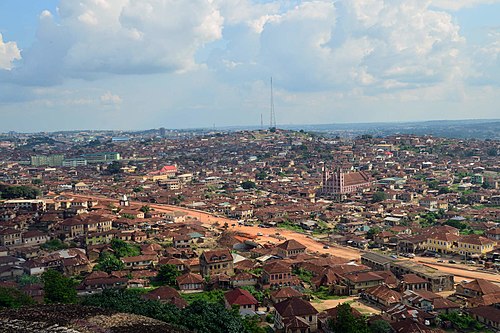
Abeokuta, the capital of Ogun State in southwestern Nigeria, is a city rich in history and culture, known for its unique landscapes and historical relevance. Founded in the early 19th century by the Egbas, a group of the Yoruba people, Abeokuta is situated on the banks of the Ogun River and is characterized by its rocky terrain, particularly the notable Olumo Rock, which rises about 137 meters above sea level. This natural landmark has significant cultural importance, serving as a refuge for the Egba people during inter-tribal wars in the 19th century and now stands as a popular tourist attraction offering panoramic views of the city.
As a bustling urban center, Abeokuta has developed into an important commercial and administrative hub within the region. Its economy is primarily driven by agriculture, with the fertile land surrounding the city yielding crops such as cassava, yams, and maize. Additionally, Abeokuta is known for its limestone deposits, which support local cement production. The city also hosts various educational institutions, including the Federal Polytechnic and Olabisi Onabanjo University, serving as a focal point for academic and intellectual development within Ogun State. Culturally, Abeokuta boasts a vibrant art scene and traditional festivals, most notably the Egba Festival, which celebrates the rich cultural heritage of the Egba people, alongside a variety of traditional music and dance exhibitions that reflect the diverse Yoruba traditions. Overall, Abeokuta represents a significant blend of history, culture, and economic activity in Nigeria.
Facts about Abeokuta
- Abeokuta is known as the 'Rock City' due to the presence of the Olumo Rock, a significant historical and tourist landmark that offers a view of the entire city.
- The city was founded in the 1830s by the Egba people as a refuge from intertribal wars and has a rich history of resistance against colonial rule.
- Abeokuta is home to the first missionary school in Nigeria, the CMS Grammar School, which was founded in 1859.
- The city is known for its unique traditional clay architecture, particularly in the areas with buildings made from the local clay soil called 'Baba Ibeji'.
- Abeokuta is the site of the first Yoruba newspaper, 'Iwe Iroyin', which was established in 1859 by the missionary Henry Townsend.
- The town hosts the popular Olumo Rock Festival, an annual event that attracts many visitors and celebrates the cultural heritage of the Egba people.
- Abeokuta was the capital of the defunct Western Region of Nigeria and an important seat of power during the pre-colonial and colonial periods.
- It is also known for its vibrant market scene, particularly the Itoku Market, famous for traditional fabrics, crafts, and food items.
- Abeokuta played a significant role in the establishment of modern governance in Nigeria, being integral to the formation of the Egba Peoples Union in 1905.
- The city is linked to notable figures in Nigeria's history, including notable politicians and educators, making it a center of intellectual heritage.