Abidjan, Côte d'Ivoire
- 6,321,017 people
- 11 places to visit
- 5.36, -4.0082
Places to Visit (11)
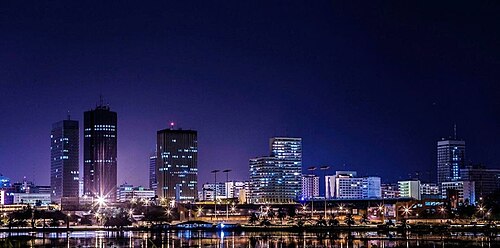
Abidjan, the economic capital and largest city of Côte d'Ivoire, is located on the southern coast of the country along the Ébrié Lagoon. Founded in the late 19th century, it has developed into a major urban center and is often referred to as the "Paris of West Africa" due to its vibrant culture and cosmopolitan atmosphere. The city is known for its diverse population, consisting of various ethnic groups, and has become a melting pot of languages, traditions, and culinary delights. Abidjan is characterized by its unique neighborhoods, including the upscale Plateau area, which serves as the financial hub, and Cocody, known for its luxury residences and international schools.
Abidjan's economy is one of the most robust in the region, driven by sectors such as commerce, agriculture, and oil. The city hosts the headquarters of many multinational corporations and serves as a port of entry for trade within West Africa. Its infrastructure includes modern amenities like hotels, shopping centers, and a growing public transportation system, including the recently constructed Abidjan Metro, which has significantly improved connectivity in the sprawling city. Cultural sites, such as the National Museum of Abidjan and the St. Paul's Cathedral, showcase the city's artistic heritage and architectural ingenuity. Additionally, Abidjan is famous for its lively street markets, nightlife, and rich music scene, contributing to its reputation as a cultural epicenter in West Africa.
Despite its rapid development, Abidjan faces challenges such as urbanization pressures, traffic congestion, and inadequate housing. However, ongoing urban planning initiatives aim to address these issues and improve living conditions for its residents. The city's resilience was particularly tested during the Ivorian civil conflicts in the early 2000s and again in 2010-2011, which highlighted the socio-political vulnerabilities of the region. Nevertheless, Abidjan has shown significant recovery and growth since then, attracting both local and international investments. Its dynamic blend of modernity and tradition makes Abidjan a pivotal city in Côte d'Ivoire and a key player in the broader West African landscape.
Facts about Abidjan
- Abidjan is the economic capital of Côte d'Ivoire, while Yamoussoukro is the political capital.
- The city is home to the largest port in West Africa, making it a significant hub for trade and commerce.
- Abidjan was designated a city in 1934 and rapidly developed under French colonization, becoming a key urban center in the region.
- The skyline of Abidjan is characterized by its modern architecture, including the iconic Plateau district, which is the city's business hub.
- The city hosts the Basilica of Our Lady of Peace, one of the largest churches in the world, which was built by the late President Félix Houphouët-Boigny.
- Abidjan is renowned for its vibrant culture, with numerous music genres like coupé-décalé and zouglou originating from the city.
- The city is situated on the Ébrié Lagoon, which offers scenic views and recreational activities, distinguishing it from many other Ivorian cities.
- Abidjan features several multi-national corporations' headquarters, making it a key center for international business in the region.
- The city organizes the Abidjan Music Festival, attracting talent from across Africa and the diaspora, celebrating the continent's rich musical heritage.
- Abidjan has a diverse population that includes various ethnic groups, making it a melting pot of cultures, languages, and traditions.