Abu Dhabi, United Arab Emirates
- 1,807,000 people
- 11 places to visit
- 24.4539, 54.3773
Places to Visit (11)
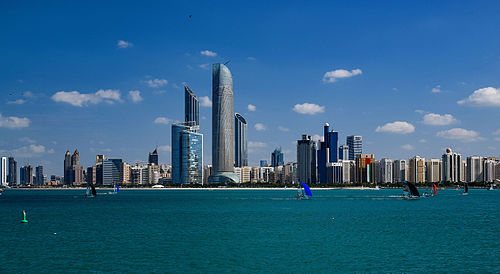
Abu Dhabi, the capital city of the United Arab Emirates (UAE), is located on an island in the Persian Gulf and serves as the political, industrial, and cultural center of the nation. Founded in the 18th century, its growth accelerated following the discovery of oil in the 1950s, transforming it into a modern metropolis with a diverse population. As of 2023, Abu Dhabi has an estimated population of over 1.5 million residents, comprising a mix of Emiratis and expatriates from various countries. The city is characterized by its impressive skyline, blending modern architecture with traditional elements, highlighted by landmarks such as the Sheikh Zayed Grand Mosque, the Louvre Abu Dhabi, and the futuristic Etihad Towers.
Economically, Abu Dhabi is a powerhouse, contributing significantly to the UAE's GDP, mainly through its vast oil reserves, which are among the largest in the world. The emirate is focusing on diversifying its economy through initiatives like Abu Dhabi Vision 2030, which aims to reduce dependency on oil while promoting sectors such as tourism, renewable energy, and technology. The city is also known for hosting international events such as the Formula 1 Grand Prix, contributing to its status as a global hub for business and tourism. With its emphasis on cultural development and sustainable urban planning, Abu Dhabi continues to evolve, attracting visitors and investors alike while maintaining its rich heritage and traditions.
Facts about Abu Dhabi
- Abu Dhabi is the capital city of the United Arab Emirates, distinguishing it as the political and administrative center of the country.
- The city is home to the Louvre Abu Dhabi, the first universal museum in the Arab world, which opened in 2017 and features artworks from diverse civilizations.
- Sheikh Zayed Grand Mosque, one of the largest mosques in the world, is located in Abu Dhabi and is renowned for its stunning architecture and extensive use of white marble.
- Abu Dhabi has a significant portion of the world's oil reserves, making it a key player in the global energy sector.
- The city is known for its cultural district on Saadiyat Island, which hosts a number of museums and cultural institutions, including the upcoming Guggenheim Abu Dhabi.
- Abu Dhabi hosts the Formula One Abu Dhabi Grand Prix at the Yas Marina Circuit, which is the only F1 race in the Middle East.
- Unlike Dubai, which is known for its hyper-modern skyline, Abu Dhabi maintains a balanced blend of modern architecture and traditional Arab culture.
- The UAE Presidential Palace, Qasr Al Watan, is located in Abu Dhabi and serves as a working palace and a cultural landmark.
- Abu Dhabi has a planned city layout with extensive green parks and beachfront, reflecting its commitment to sustainable urban development.
- The city celebrates the annual Abu Dhabi Art Fair, which brings together international artists and collectors, showcasing contemporary art and promoting cultural exchange.