Abū Kabīr, Egypt
- 154,466 people
- 2 places to visit
- 30.7209, 31.6717
Places to Visit (2)
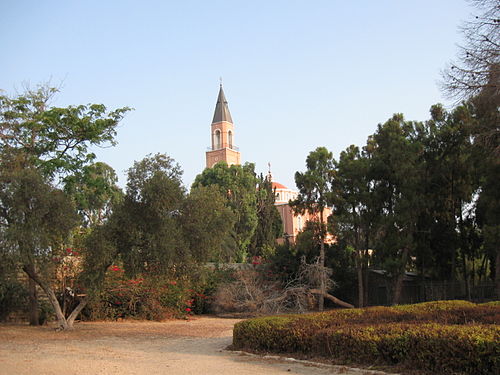
Abū Kabīr is a city located in the Sharqia Governorate of Egypt, situated in the northeastern part of the country. It lies approximately 80 kilometers northeast of Cairo and serves as the administrative center for its district, known as the Abū Kabīr District. The city is positioned near the Nile Delta, an area characterized by its fertile land and significant agricultural output. Abū Kabīr's geography contributes to its importance as a hub for agricultural activities, with many inhabitants engaged in farming and related professions.
The city is known for its vibrant local markets, which are a focal point for trade and commerce in the region. These markets offer a variety of goods, including fresh produce, textiles, and traditional crafts, reflecting the rich cultural heritage of the area. Abū Kabīr also has several educational institutions, healthcare facilities, and places of worship that cater to its population. The architecture in Abū Kabīr features a blend of contemporary buildings and traditional Egyptian styles, encapsulating the city's historical evolution.
Abū Kabīr has witnessed significant growth due to urbanization and economic development, resulting in an increase in population and infrastructure. The city's proximity to larger urban centers, such as Zagazig, enhances its accessibility and economic opportunities. Local transport links, including roads and public transportation, connect Abū Kabīr to neighboring regions, facilitating trade and movement for residents. As part of the larger narrative of Egypt's urban landscape, Abū Kabīr exemplifies the balance between historical traditions and modern development in this rapidly changing society.
Facts about Abū Kabīr
- Abū Kabīr is known for its rich agricultural surroundings, particularly in the production of crops like cotton and rice, setting it apart from urban centers focused on industry.
- The city is located in the Sharqia Governorate, which is notable for its historical significance as a center of ancient Egyptian civilization.
- Abū Kabīr has a unique local cultural heritage that reflects the traditions and lifestyles of rural Egypt, including folklore, music, and festivals.
- The city hosts several historic mosques, showcasing Islamic architecture and serving as community centers for local religious practices.
- Abū Kabīr is part of the Nile Delta region, which is characterized by lush greenery and fertile land, differing from the arid landscapes found in many other parts of Egypt.
- The annual agricultural fairs in Abū Kabīr highlight the importance of agronomy to the local economy, attracting visitors and showcasing local products.
- The population of Abū Kabīr is known for its hospitality and strong community ties, distinguishing it from more metropolitan areas in Egypt.
- The city has been involved in various educational initiatives aimed at improving literacy rates in rural areas, setting it apart from larger cities focused on higher education.
- Abū Kabīr has historical ties to the 1919 Egyptian Revolution, with events and figures associated with the city contributing to the national movement.
- The local cuisine features unique dishes that incorporate regional ingredients, with traditional recipes passed down through generations, providing a distinct culinary experience.