Abuja, Nigeria
- 2,690,000 people
- 13 places to visit
- 9.0563, 7.4985
Places to Visit (13)
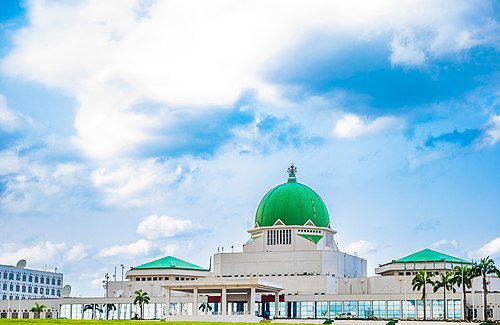
Abuja, the capital city of Nigeria, was officially designated as such in 1991, replacing Lagos, which remains the country’s most populous city but is often burdened by congestion and infrastructure challenges. Strategically located in the center of Nigeria, Abuja was chosen for its central position to promote national unity among the country’s diverse ethnic groups. The decision to move the capital aimed to ensure better accessibility for all Nigerians, as well as to alleviate some of the overcrowding and inefficiencies found in Lagos. Abuja is characterized by modern architecture, expansive green spaces, and well-planned urban layouts, making it one of the fastest-growing cities in Africa.
Abuja features notable landmarks, including the Aso Rock, a 400-meter monolith that serves as a backdrop to the presidential complex, and the National Mosque and National Cathedral, which symbolize the religious diversity of Nigeria. The city is home to various government institutions, foreign embassies, and multinational corporations, contributing to its designation as the political and administrative hub of the country. Abuja's population has seen a rapid increase since its designation as the capital, swelling from an estimated 500,000 in 1991 to well over 3 million today, creating a vibrant and multicultural community marked by an influx of people from different regions of Nigeria and beyond. The city also boasts a relatively high standard of living compared to other urban areas in the country, although it faces challenges such as traffic congestion and the provision of adequate public services to accommodate its growing population. As Nigeria continues to develop, Abuja remains a focal point for economic opportunities, foreign investment, and cultural exchange.
Facts about Abuja
- Abuja became the capital of Nigeria in 1991, replacing Lagos, in a move aimed at promoting national unity and providing a more centrally located administrative city.
- The city was specifically developed as a planned city, with modern infrastructure and zoning laws to accommodate the growing population and government functions.
- Abuja is home to the Aso Rock, a 400-meter (1,300 ft) monolithic rock formation, which is a prominent symbol and backdrop of the presidential complex and government buildings.
- The Nigerian National Mosque, completed in 2000, can accommodate over 10,000 worshippers and showcases contemporary Islamic architecture, making it one of the largest mosques in Nigeria.
- Abuja is known for the Millennium Park, which is the largest public park in the city, featuring beautifully landscaped gardens, a serene environment, and recreational areas.
- The city is a melting pot of diverse ethnic groups, making it one of the most cosmopolitan cities in Nigeria, with a wide variety of cultures, languages, and traditions.
- Abuja hosts numerous international events, including the annual Nigerian Economic Summit, which brings together business leaders, policymakers, and stakeholders to discuss national development.
- The city is strategically located in the geographic center of Nigeria, which allows for easier access from different parts of the country and serves as a hub for regional trade and diplomacy.
- Abuja's housing policies and urban development projects have led to its rapid growth, with several emerging suburbs like Jabi and Wuse becoming popular residential and commercial areas.
- The Abuja Arts and Crafts Village showcases traditional Nigerian crafts and art, providing a platform for local artisans and promoting cultural heritage in the capital city.