Ad Dīwānīyah, Iraq
- 318,801 people
- 1 places to visit
- 31.974, 44.8957
Places to Visit (1)
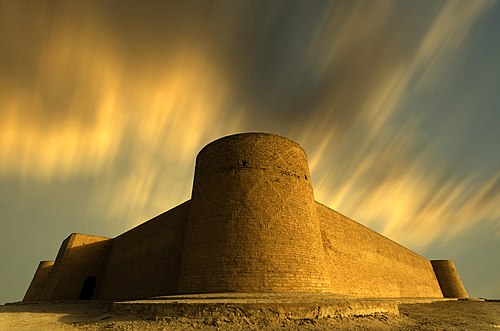
Ad Dīwānīyah, also spelled Diwaniyah, is a city located in central Iraq, serving as the capital of the Qadisiyyah Governorate. It sits approximately 180 kilometers south of Baghdad and is strategically positioned on the historic trade routes that connect the city to other regions in Iraq. The city has a rich history, with roots tracing back to ancient civilizations in Mesopotamia. Ad Dīwānīyah has a diverse demographic, primarily composed of Arab Shiite groups, with a growing influence from other ethnic communities, which contributes to its cultural vibrancy.
The city has witnessed significant developments since the fall of Saddam Hussein's regime in 2003, emerging as a center for local governance and economic activity in southern Iraq. Ad Dīwānīyah is known for its agriculture, benefiting from the fertile land along the Euphrates River. The economy relies heavily on farming, with crops such as wheat, barley, and various fruits being cultivated. Additionally, the local economy is supported by small-scale industries and trades, as well as remittances from citizens working abroad. Education and health services have been the focus of several governmental initiatives aimed at improving the quality of life for residents. Despite the challenges of post-war recovery, including infrastructural damage and security concerns, efforts are underway to rebuild and promote stability in the region.
Culturally, Ad Dīwānīyah is celebrated for its rich traditions, including poetry, music, and local festivals, contributing to the broader tapestry of Iraqi culture. The city houses several educational institutions that provide learning opportunities and promote literacy among the youth. Furthermore, its geographic location enhances its role as a cultural crossroads, facilitating exchanges between different ethnic and cultural groups. Overall, Ad Dīwānīyah reflects both the challenges and resilience of Iraqi society, balancing modernization with the preservation of its historical and cultural heritage.
Facts about Ad Dīwānīyah
- Ad Dīwānīyah is known for its rich agricultural land, particularly for the production of dates and grains, setting it apart from many other urban areas in Iraq.
- The city is home to several historic mosques, including the Great Mosque of Ad Dīwānīyah, which reflects the region's deep-rooted Islamic heritage.
- Ad Dīwānīyah played a significant role during the Ottoman Empire, serving as an administrative center due to its strategic location in central Iraq.
- The city hosts the annual Al-Suqoor Festival, celebrating local culture, arts, and sports, distinguishing it through its vibrant community events.
- Ad Dīwānīyah is located near the Euphrates River, providing it with a unique riverine environment that supports its agriculture and sustains local ecosystems.
- The local economy of Ad Dīwānīyah is partially supported by the textile industry, which has a significant historical presence in the region.
- Ad Dīwānīyah is known for being a center for education in Iraq, hosting several colleges, including institutions focusing on engineering and medicine.
- The city is renowned for its cultural diversity, being home to different ethnic and religious communities, including Arabs and Kurds.
- Ad Dīwānīyah has a unique handicraft tradition, particularly in pottery and weaving, which distinguishes its artisans from those in other Iraqi cities.
- Due to its historical significance, Ad Dīwānīyah is often associated with various archaeological sites nearby, offering insights into ancient Mesopotamian civilizations.