Addis Ababa, Ethiopia
- 3,860,000 people
- 11 places to visit
- 9.0192, 38.7525
Places to Visit (11)
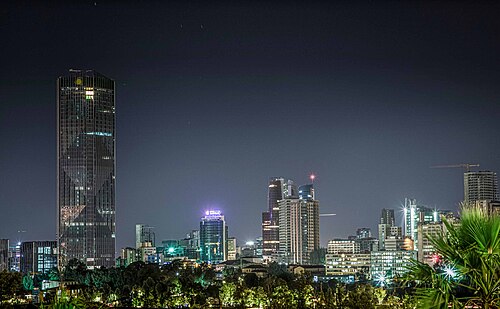
Addis Ababa, the capital city of Ethiopia, is situated at an altitude of approximately 2,355 meters (7,726 feet) in the central part of the country. Founded in 1886 by Emperor Menelik II, its name means "New Flower" in Amharic, reflecting the city's origins as a small settlement that has grown into the largest city in Ethiopia and a key political, cultural, and economic hub in the region. As the headquarters of the African Union and various international organizations, Addis Ababa plays a critical role in diplomacy and regional affairs. The city has a diverse population, composed of various ethnic groups, and serves as a melting pot of cultures, making it a vibrant urban center.
Addis Ababa offers a rich tapestry of history and modernity, where traditional Ethiopian practices coexist with contemporary influences. The city is home to several historical landmarks, such as the National Museum of Ethiopia, which houses the famous fossilized remains of "Lucy," one of the oldest hominids ever discovered. Additionally, the Holy Trinity Cathedral, an architectural marvel, is a significant place of worship and the final resting place of Emperor Haile Selassie. The city's commitment to education and growth is evident in its numerous universities, including Addis Ababa University, one of the oldest and most prestigious in the country. As a major economic center, Addis Ababa has a burgeoning market, characterized by a mix of informal and formal businesses, while also undergoing rapid urbanization and infrastructure development to accommodate its expanding population, which now exceeds 3 million residents. The city’s blend of tradition and modernization makes it a focal point in Africa, embodying the nation’s aspirations and challenges as it moves forward in the 21st century.
Facts about Addis Ababa
- Addis Ababa is the capital city of Ethiopia and serves as the political, economic, and cultural center of the country.
- The city is home to the African Union headquarters, making it a significant location for diplomacy and international relations in Africa.
- Addis Ababa hosts the United Nations Economic Commission for Africa (UNECA), which is a major institution for economic development across the continent.
- The Ethiopian National Museum, located in Addis Ababa, is famous for housing the fossil remains of 'Lucy,' one of the oldest known hominids.
- Addis Ababa sits at an elevation of about 2,355 meters (7,726 feet) above sea level, making it one of the highest capital cities in the world.
- The city is known for its rich history, including being the only African city that was never colonized, aside from a brief Italian occupation during World War II.
- Addis Ababa is home to the unique traditional coffee ceremony that reflects Ethiopia’s historical significance as the birthplace of coffee.
- The city features significant landmarks such as the Holy Trinity Cathedral, which is an important site for the Ethiopian Orthodox Church.
- Addis Ababa’s Mercato market is one of the largest outdoor markets in Africa, showcasing a vibrant exchange of goods and culture.
- The city hosts the biennial Addis International Film Festival, which celebrates and promotes cinema from Ethiopia and around the globe.