Ado-Ekiti, Nigeria
- 435,000 people
- 3 places to visit
- 7.6124, 5.2371
Places to Visit (3)
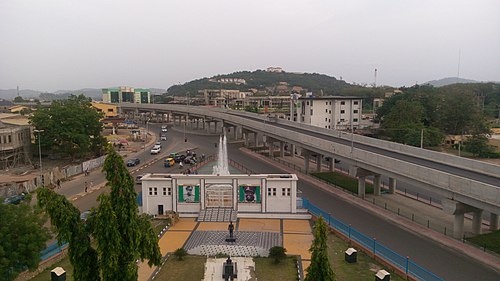
Ado-Ekiti is the capital city of Ekiti State, located in southwestern Nigeria. Founded in the mid-14th century, it is one of the oldest towns in the region and serves as a cultural and educational hub. Ado-Ekiti is notable for its picturesque hills and a tropical climate, which influences its agricultural practices. The city is primarily inhabited by the Ekiti people, who are known for their rich traditions and customs. Agriculture plays a significant role in the local economy, with crops such as cassava, yam, cocoa, and oil palm being cultivated extensively. The presence of educational institutions, including the University of Ado-Ekiti, has further enriched the city’s cultural landscape, drawing students from across the country and enhancing its profile as an educational center.
Furthermore, Ado-Ekiti holds a significant place in Nigeria's historical narrative, with several notable landmarks that reflect its cultural heritage. The Ewi of Ado-Ekiti, the traditional ruler, plays an important role in the governance and social structure of the city. Festivals such as the Udiroko festival celebrate the city’s history and bring together communities in a colorful display of art, music, and dance. Additionally, Ado-Ekiti's market, known for its vibrant trade in textiles and local crafts, serves as a vital center for commerce, reflecting the economic vibrancy of the city. As a result of its strategic location and developmental initiatives, Ado-Ekiti continues to grow as a center for political, educational, and economic activities in the region.
Facts about Ado-Ekiti
- Ado-Ekiti is the capital city of Ekiti State, Nigeria, and is renowned for its rich cultural heritage and historical significance.
- The city is known for its numerous educational institutions, including the Ekiti State University, which contributes to its reputation as an academic hub in Nigeria.
- Ado-Ekiti is home to the famous Ewi of Ado-Ekiti, a traditional institution that plays a significant role in the cultural and political life of the Ekiti people.
- The city hosts the Ekiti State Arts and Culture Festival, celebrating the region's rich traditions, music, and dance.
- Ado-Ekiti is surrounded by scenic landscapes and hills, earning it the nickname 'The Land of Honour.'
- The city's economy is largely based on agriculture, with notable production of crops such as cassava, yam, and cocoa.
- Ado-Ekiti is known for its vibrant local markets, particularly the Ado-Ekiti Market, which is a hub for trade and commerce in the region.
- The city is a center for traditional crafts, including the weaving of 'Aso Oke' fabric, which is an important cultural element in Yoruba clothing.
- Ado-Ekiti has a number of historical sites, including the Ado-Ekiti Palace and the old Yoruba settlements that reflect its long-standing history.
- The city is also recognized for its role in fostering numerous political leaders and intellectuals that have contributed to Nigeria's development.