Adra, Spain
- 24,373 people
- 11 places to visit
- 36.7479, -3.0163
Places to Visit (11)
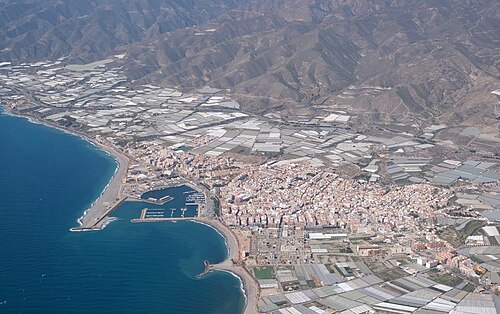
Adra is a coastal city located in the province of Almería, in the autonomous community of Andalusia, Spain. Situated on the Mediterranean Sea, Adra serves as an important agricultural and fishing hub and is known for its beautiful beaches and historical significance. The city has a population of approximately 24,000 residents as of the latest census and is characterized by its warm Mediterranean climate, which features hot summers and mild winters, making it an attractive destination for both tourists and residents alike.
The history of Adra dates back to ancient times, with archaeological evidence indicating that the area has been inhabited since the Bronze Age. The city was originally established by the Phoenicians, who named it "Abdera," and it later became an important port and trading center for the Romans. Throughout its history, Adra has experienced various cultural influences, including Iberian, Roman, and Islamic elements, which can still be observed in its architecture and traditions today. Key historical landmarks include the remnants of the Roman aqueduct and the Church of Nuestra Señora de la Head, which showcases a mix of styles from different periods.
In contemporary times, Adra is known for its agricultural production, particularly in the cultivation of fruits and vegetables, as well as its fishing industry, which brings in a variety of seafood. The city's economy is further bolstered by tourism, with visitors drawn to its picturesque coastline, water sports, and local cuisine. The annual local festivals, such as the Feria de Adra in September and various religious processions, also attract both locals and tourists, adding to the vibrant cultural tapestry of this Andalusian gem. Adra continues to celebrate its rich heritage while embracing modern development, making it a unique place to explore along Spain's southern coast.
Facts about Adra
- Adra is one of the oldest towns in Spain, with a history dating back to Phoenician times, around 1000 BC.
- The town is known for its historical lighthouse, the 'Faro de Adra,' which has been guiding ships since the 19th century.
- Adra was a significant port during the Roman Empire and played a crucial role in maritime trade.
- The region around Adra is famous for its agricultural production, particularly in the cultivation of fruits and vegetables, benefiting from a unique microclimate.
- Adra celebrates its annual 'Festival of San Sebastián' in January, which showcases traditional music, parades, and local gastronomy.
- The city's beach, 'Playa de Adra,' is popular for its clean waters and sandy shores, recognized with a Blue Flag status for environmental quality.
- Adra is home to the 'Cueva de las Palomas,' an archaeological site with remnants that suggest human activity since prehistoric times.
- The town hosts the unique 'Feria de Adra' in September, a vibrant festival that features traditional dress, dance, and local crafts.
- Adra's economy is significantly supported by fishing and agriculture, distinguishing it from other Spanish cities that may rely more on tourism or industry.
- The cultural heritage of Adra includes a mix of influences from the Romans, Moors, and Christians, evident in its architecture and local customs.