Adrano, Italy
- 34,446 people
- 10 places to visit
- 37.6628, 14.8326
Places to Visit (10)
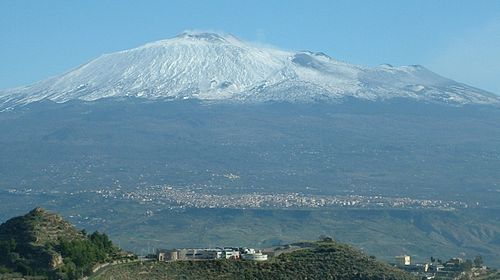
Adrano is a historic town located in the Metropolitan City of Catania on the eastern side of Sicily, Italy. Nestled at the foot of Mount Etna, the largest active volcano in Europe, Adrano boasts a strategic position that has contributed to its rich history and cultural significance. The town has roots dating back to ancient times, originally established by the Siculi, an indigenous population of Sicily. Over the centuries, it has experienced a variety of influences, from the Greeks and Romans to the Arabs and Normans, each leaving an indelible mark on the local architecture, customs, and traditions.
One of the town's most notable landmarks is the Norman Castle, which dates back to the 11th century and was built to consolidate Norman power in Sicily. The castle showcases a blend of architectural styles that reflect its tumultuous history. The central church of Sant’Agostino, with its stunning Baroque façade, and the Church of San Francesco, which features impressive artworks, are also significant Protestant contributions to the town's historical landscape. In addition to its historical sites, Adrano is known for its vibrant community life and local festivals, such as the Feast of Saint Nicholas, which attracts visitors from various regions. The economy of Adrano is primarily based on agriculture, with the fertile volcanic soil supporting the cultivation of various crops, including grapes, olives, and citrus fruits.
In contemporary times, Adrano continues to balance its rich historical legacy with the needs of modern living. The town serves as a gateway for visitors exploring the natural beauty of Mount Etna and the surrounding areas, making it a popular destination for hiking and outdoor activities. The combination of historical significance, cultural richness, and natural beauty makes Adrano a noteworthy example of the diverse heritage found throughout Sicily. With its charming streets and warm Sicilian hospitality, Adrano offers a unique glimpse into the island's past while remaining vibrant and relevant in today's world.
Facts about Adrano
- Adrano is one of the oldest towns in Sicily, with roots tracing back to ancient times, specifically the Greek period.
- The city is home to the impressive Norman Castle, which dates back to the 11th century and showcases a blend of Arab and Norman architectural influences.
- Adrano is renowned for its archaeological sites, including the ancient Roman villa and the remains of a Hellenistic theater, providing insight into its storied past.
- The city hosts the annual 'Sagra del Carciofo' (Artichoke Festival), celebrating local agricultural produce and traditional Sicilian cuisine.
- Adrano is located at the foot of Mount Etna, one of the most active volcanoes in the world, which significantly influences the local climate and culture.
- The historical center features the Church of Santa Maria, a beautiful example of Baroque architecture that attracts visitors and locals alike.
- Adrano was an important center for the production of ceramics during the Middle Ages, leading to a rich local tradition of pottery that continues today.
- The city has a unique connection to the Parco dell'Etna, offering outdoor activities and breathtaking views of the volcanic landscape.
- Adrano is home to several local festivals distinct to Sicily, including 'La Festa di San Cassiano', which involves colorful processions and cultural rituals.
- The surrounding area of Adrano is notable for its lush vineyards and fertile lands, contributing to the region's reputation for high-quality wines.