Afyonkarahisar, Turkey
- 251,799 people
- 5 places to visit
- 38.7569, 30.5387
Places to Visit (5)
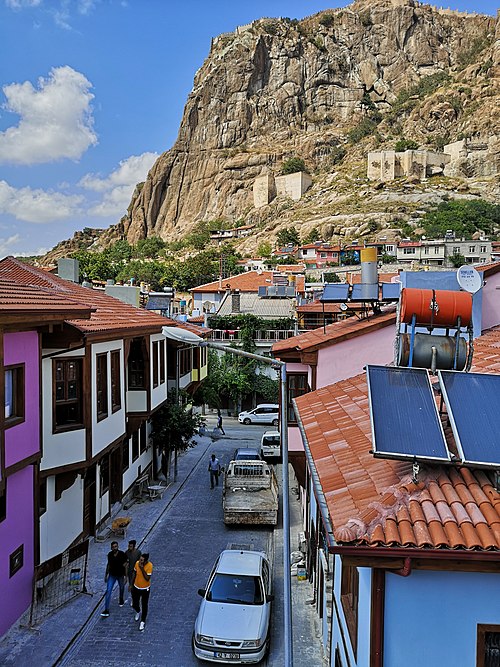
Afyonkarahisar, often referred to simply as Afyon, is a city in western Turkey known for its rich history, diverse culture, and significant economic contributions. Situated at the crossroads of key trade routes since ancient times, the city possesses a varied landscape characterized by mountains, plains, and thermal springs. The name "Afyonkarahisar" translates to "Black Fortress Opium," reflecting its historical association with opium production and the black volcanic rock that forms the foundation of its ancient castle, which stands prominently above the city. This castle, along with other historical sites such as the Grand Mosque, the Ulu Mosque, and various Ottoman-era buildings, offers insight into the region's rich cultural heritage.
Economically, Afyonkarahisar is known for its agriculture and industry, with a significant focus on the production of marble, dairy products, and opium derivatives. The city's thriving marble industry is one of the largest in Turkey, exporting finely crafted marble products worldwide. In addition, Afyonkarahisar is renowned for its thermal baths and health tourism, attracting visitors seeking the therapeutic benefits of its mineral-rich waters. The region's unique geology has endowed it with hot springs, which have been utilized since Roman times. As a result, resort facilities and wellness centers proliferate, enhancing the city's appeal as a tourist destination. The local cuisine, characterized by flavorful dishes like Afyon kebab and sucuk (spicy sausage), also plays a vital role in the city's cultural identity.
Afyonkarahisar's strategic location connects it to major cities such as Ankara and İzmir, facilitating trade and travel. The modern city is a blend of traditional and contemporary influences, with ongoing development in infrastructure and urban planning. The annual Afyonkarahisar International Festival of Culture and Art further showcases its commitment to fostering cultural exchange and tourism. With a growing population, an economy rooted in agriculture and industry, and a vibrant community, Afyonkarahisar continues to play an essential role in Turkey's cultural and economic landscape.
Facts about Afyonkarahisar
- Afyonkarahisar is famous for its unique Afyon marble, which is highly sought after for its quality and aesthetic appeal.
- The city is known as a center for Turkish delight, particularly the Afyon variant, which is recognized for its rich flavor and texture.
- Afyonkarahisar has a rich history dating back to the Phrygian civilization, and it boasts significant archaeological sites, including the ancient city of Afrodiasias.
- The city's castle, which sits on a rock formation, offers panoramic views and is a distinctive feature of the Afyonkarahisar skyline.
- Afyonkarahisar is renowned for its thermal springs and health spas, making it a popular destination for wellness tourism.
- The region is significant in Turkey's history for its role during the War of Independence, particularly during the Great Offensive in 1922.
- Afyonkarahisar produces a vast array of agricultural products, especially poppy seeds, dominating Turkey's poppy cultivation.
- The city hosts a variety of cultural events, including the Afyonkarahisar Culture and Art Festival, which celebrates local heritage and arts.
- Afyonkarahisar is known for its historical mosques, such as the Ulu Camii (Grand Mosque), which reflect the city's Ottoman architectural style.
- The city has a diverse cuisine that features unique regional dishes, including 'keşke' and 'hormat', which are not commonly found in other parts of Turkey.