Agboville, Côte d'Ivoire
- 81,770 people
- 3 places to visit
- 5.9355, -4.2231
Places to Visit (3)
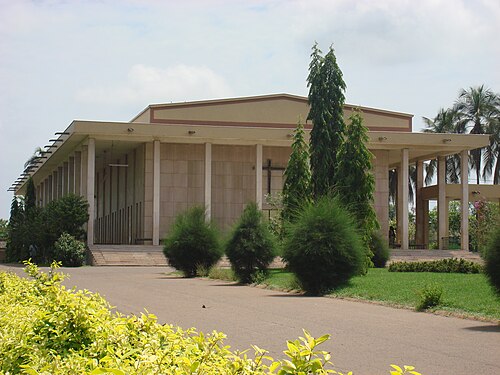
Agboville is a vibrant city located in the southeastern part of Côte d'Ivoire, situated approximately 80 kilometers from the country's economic capital, Abidjan. It serves as the capital of the Agnéby-Tiassa district and plays a crucial role as a commercial and administrative center. The city is renowned for its rich cultural heritage and is predominantly inhabited by the Akan ethnic group, particularly the Akyé people. This ethnic background contributes to the city's diverse traditions, customs, and festivals, which reflect the broader cultural tapestry of Côte d'Ivoire.
Economically, Agboville is characterized by agriculture, with a significant portion of the population engaged in farming activities. The fertile lands surrounding the city allow for the cultivation of various crops, such as cocoa, palm oil, and cassava, which are integral to both local consumption and export. The city's economy is further supported by small-scale industries and trade, as well as its strategic location that connects it to key urban centers via major road networks. Additionally, Agboville is increasingly becoming a destination for investments and development projects aimed at improving infrastructure and enhancing local quality of life.
Socially, Agboville is marked by its communal spirit, where traditional values and communal ties play a significant role in everyday life. The city has several educational institutions, healthcare facilities, and markets that cater to the needs of its residents. Festivals and cultural events are common, showcasing the vibrant music, dance, and art that define the city’s identity. Overall, Agboville presents a unique blend of tradition and modernity, making it an important city in Côte d'Ivoire's socio-economic landscape. The ongoing development initiatives signal a promising future, as the city continues to grow and evolve while maintaining its cultural roots.
Facts about Agboville
- Agboville is known for its significant role in the history of the Akan people, serving as a cultural and traditional center for the Gouro ethnic group.
- The city is famous for the annual Guro Festival, which showcases traditional music, dance, and cultural heritage, attracting visitors from across Côte d'Ivoire.
- Agboville features the unique architecture of traditional Akan houses, characterized by their clay walls and thatched roofs, distinguishing it from more urbanized areas.
- The city is strategically located near the Bandama River, which has historically been essential for transportation and trade in the region.
- Agboville has a rich agricultural backdrop, known primarily for cocoa and rubber plantations, contributing significantly to the local economy.
- The city was the birthplace of several important Ivorian political figures and has a rich political history that has influenced national governance.
- Agboville is home to the Ferké Hydroelectric Power Station, a significant infrastructure project that supports the region’s energy needs and development.
- The local market in Agboville is renowned for its vibrant displays of traditional crafts, textiles, and organic food, setting it apart from markets in larger cities.
- Agboville has several important religious landmarks, including the Mosque of Agboville and the Baptist Church, reflecting the city’s diverse cultural and religious heritage.
- The city is known for its peaceful environment and community-focused lifestyle, providing a contrast to the hustle and bustle of major urban centers like Abidjan.