Agde, France
- 23,001 people
- 15 places to visit
- 43.3088, 3.4768
Places to Visit (15)
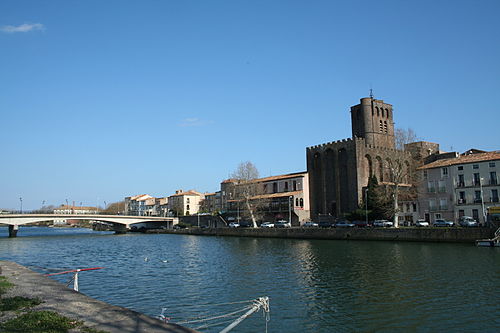
Agde is a commune located in the Hérault department in the Occitanie region of southern France. Established around 500 BC by Greek settlers, Agde is one of the oldest cities in France. It was originally known as "Agathe," derived from the Greek word for "good," and has a rich history that includes its role as a significant port during Roman times. The city features a blend of architectural styles influenced by its historical significance, with notable structures such as the Saint-Étienne Cathedral, a remarkable example of Romanesque architecture, built from black volcanic rock, and dating back to the 12th century. The town center is characterized by narrow streets, vibrant markets, and a lively atmosphere, showcasing the local culture and traditions.
Situated near the Mediterranean coast, Agde is known for its stunning beaches and recreational activities. The nearby Cap d'Agde, a resort town, attracts numerous tourists with its sandy shores, water sports, and vibrant nightlife. The area is also marked by the Canal du Midi, a UNESCO World Heritage site that connects the Mediterranean to the Atlantic, enhancing Agde's importance as a transportation hub. The local economy benefits from agriculture, viticulture, and tourism, with the surrounding vineyards producing renowned Languedoc wines. Visitors can explore various attractions, including the prehistoric site of Caves de La Clamouse and the Cap d'Agde aquarium, making the city a diverse destination for those interested in both history and leisure activities. Through centuries of growth and change, Agde remains a charming reminder of France's past and a vibrant hub of Mediterranean life today.
Facts about Agde
- Agde is known for its distinctive black volcanic stone architecture, which sets it apart from many other towns in France that primarily feature limestone or brick buildings.
- The town is home to the ancient Roman ruins of Agde, including the impressive 12th-century Saint-Etienne Cathedral, which is built entirely from local basalt stone.
- Agde is situated at the confluence of the Hérault River and the Mediterranean Sea, making it one of the few French towns that seamlessly blends river and coastal environments.
- The town is considered one of France's oldest cities, founded around 500 BC by Greek settlers from the colony of Phocaea, which gives it a rich historical significance.
- Agde hosts the Natur’Agde festival, an event dedicated to nature and biodiversity, which attracts attention to environmental awareness and local wildlife.
- The nearby Cap d'Agde is famous for its naturist village, one of the largest of its kind in Europe, attracting thousands of visitors looking for a unique holiday experience.
- The Canal du Midi, a UNESCO World Heritage site, passes through Agde, allowing for scenic boat trips and promoting a unique way to explore the region.
- Agde is also famous for its wine production, particularly for producing AOC Coteaux du Languedoc, which showcases the unique terroir of the region.
- The town's vibrant summer scene includes various water sports, music festivals, and cultural events, setting it apart as a lively tourist destination along the Mediterranean coast.
- Agde celebrates its annual wine festival in August, attracting wine enthusiasts and tourists, making it a key event in the local calendar.