Agrigento, Italy
- 32,514 people
- 13 places to visit
- 37.3088, 13.5858
Places to Visit (13)
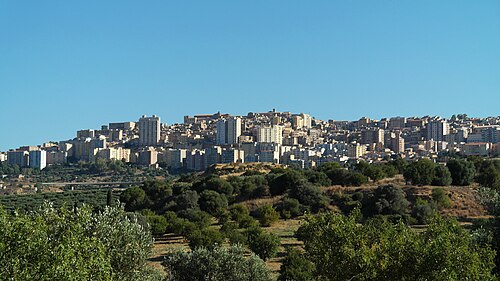
Agrigento is a city located on the southern coast of Sicily, Italy, renowned for its rich history and cultural heritage. Founded as Akragas by Greek settlers in the 6th century BC, it quickly flourished into one of the most powerful cities in the ancient world, known for its wealth and sophistication. The city’s strategic position overlooking the Mediterranean Sea facilitated trade and communication with other civilizations, contributing to its prosperity. Today, Agrigento is perhaps best known for its archaeological site, the Valley of the Temples, which is a UNESCO World Heritage Site. This site houses some of the best-preserved ancient Greek temples, including the Temple of Concordia, which dates back to 440 BC and is noted for its remarkable preservation.
Agrigento's historical significance extends beyond its ancient ruins. The city is also characterized by its charming medieval architecture, narrow winding streets, and vibrant local traditions. The Cathedral of San Gerlando, built between the 11th and 12th centuries, showcases a blend of Arabic, Norman, and Byzantine architectural styles, reflecting the city's diverse historical influences. Additionally, Agrigento's cultural scene includes invigorating festivals, such as the annual Sagra del Mandorlo in Fiore, celebrated in February to honor the blooming almond trees and showcasing local music, dance, and cuisine. With a population of approximately 60,000 residents, Agrigento serves as a gateway to explore the surrounding landscapes, which feature stunning cliffs, beaches, and the nearby Scala dei Turchi, a natural white limestone cliff that has become a popular tourist destination.
Modern Agrigento balances its historical legacy with contemporary life, serving as a regional hub for agriculture, commerce, and tourism. The economy benefits significantly from its rich agricultural produce, particularly olives, grapes, and citrus fruits, and the thriving tourist industry generated by the city's archaeological wonders. Visitors are drawn not only to the ancient temples but also to the surrounding natural beauty, making Agrigento a unique destination that melds history, culture, and stunning landscapes. As a city that encapsulates the spirit of Sicily's diverse past, Agrigento continues to captivate those who seek to understand the complex layers of civilization that have shaped this fascinating region.
Facts about Agrigento
- Agrigento is home to the Valley of the Temples, a UNESCO World Heritage Site that showcases ancient Greek temples and ruins dating back to the 5th century BC.
- The city was originally founded as Akragas by Greek settlers in 582 BC and became one of the most important cities in the ancient world, boasting a population of over 200,000 at its peak.
- Agrigento is famous for its Almond Blossom Festival, held every February, which celebrates the blooming of almond trees and features parades, music, and traditional Sicilian culture.
- The archaeological museum in Agrigento houses one of the most significant collections of ancient artifacts in Sicily, including the famous statue of the 'Youth of Akragas.'
- The Scala dei Turchi, a stunning white limestone cliff located just outside Agrigento, is known for its unique formation and has become a popular site for photography and recreation.
- Agrigento's Cathedral, dedicated to Saint Gerlando, was built on the site of ancient pagan temples and features a mix of architectural styles including Norman and Baroque influences.
- The city has a documented history of connection to the poet Pindar, who wrote odes dedicated to the victors of the ancient Olympic Games from Akragas, linking the city to historical literary heritage.
- Agrigento was the birthplace of several ancient philosophers and important figures, including Empedocles, known for his work in natural philosophy and the theory of the four classical elements.
- Every summer, Agrigento hosts theatrical performances and cultural events in the Valley of the Temples, bringing ancient history to life through modern interpretations.
- The city is situated on a hill overlooking the Mediterranean Sea, providing not only a strategic historical location but also breathtaking views of the coastline.