Agua Dulce, Mexico
- 36,079 people
- 11 places to visit
- 18.1426, -94.1436
Places to Visit (11)
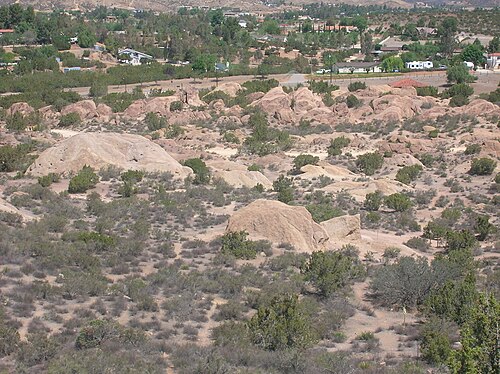
Agua Dulce is a picturesque city located in the eastern part of the state of Veracruz, Mexico. As part of the municipality of the same name, it boasts a rich cultural heritage and a strategic location along the southern Gulf of Mexico. The city is positioned in a fertile area known for agriculture, particularly sugarcane, coffee, and tropical fruits. Its name, which translates to "Sweet Water," reflects the abundance of freshwater resources in the region, including nearby rivers and springs. This favorable climate and environment contribute to both the local economy and its scenic beauty.
Founded in the 19th century, Agua Dulce has evolved from a small agricultural settlement into a vibrant community with a diverse population. The city has a mix of indigenous influences and colonial heritage, evident in its architecture, cuisine, and cultural traditions. Festivals and events throughout the year showcase local customs, including music, dance, and traditional food. The annual celebrations draw not only residents but also visitors from nearby areas, enhancing the city's social and economic dynamics. In addition to agriculture, Agua Dulce has seen growth in commerce and services, fueled by its connectivity through road and rail networks that link it to larger cities in Veracruz and beyond.
Despite its small size, Agua Dulce offers residents and visitors a sense of community and a slower pace of life compared to urban centers. The surrounding natural landscapes, including lush hills and waterways, provide ample opportunities for outdoor activities and exploration. Local initiatives aimed at promoting sustainability and preserving the environment reflect the community's commitment to maintaining its natural beauty for future generations. As a result, Agua Dulce stands out as a charming destination that encapsulates the essence of rural Mexico, blending tradition with the burgeoning influences of modernization. Whether for a short visit or as a place to call home, Agua Dulce presents an inviting atmosphere enriched by its history and natural resources.
Facts about Agua Dulce
- Agua Dulce is a municipality in the southern part of the state of Veracruz, known for its lush landscapes and agricultural production, particularly in sugar cane.
- The town was founded in the late 19th century, which sets it apart from many older towns in Mexico with colonial origins.
- Agua Dulce is recognized for its annual festival, the Festival del Mango, which celebrates the abundant mango harvest and includes cultural events and contests.
- The area is home to several archaeological sites, evidencing the presence of ancient Mesoamerican cultures, making it rich in historical significance.
- Agua Dulce is distinguished by its unique cuisine, particularly its traditional dishes that leverage local produce and ingredients, such as seafood and tropical fruits.
- The town features beautiful natural scenery, including rivers and waterfalls, attracting eco-tourism and outdoor enthusiasts looking for a less commercialized experience.
- Agua Dulce's economy is primarily based on agriculture, which differentiates it from many larger urban centers that rely on industrial or service-based economies.
- The region has a diverse population that includes indigenous groups, lending to a variety of cultural traditions and languages not commonly found in other parts of Mexico.
- One of the notable landmarks in Agua Dulce is the Church of San Juan Bautista, a significant religious site that reflects the town's cultural heritage.
- Agua Dulce is strategically located near the Gulf of Mexico, making it an important hub for commerce and trade within the Veracruz region.