Aguascalientes, Mexico
- 722,250 people
- 19 places to visit
- 21.8853, -102.2916
Places to Visit (19)
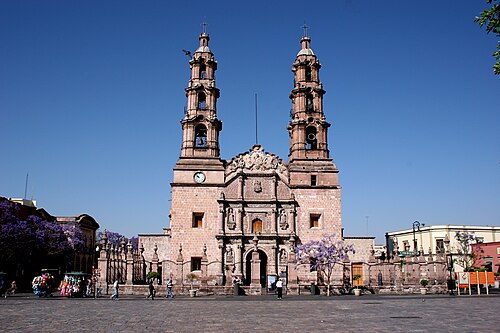
Aguascalientes, the capital of the Mexican state of the same name, is a city known for its rich cultural heritage and historical significance. Founded in the 16th century, it originally served as a vital staging area for caravans traveling between Mexico City and the northern regions of Mexico. The city, whose name translates to "hot waters," is characterized by its natural hotsprings, which have historically drawn visitors for their therapeutic benefits. With a population of approximately one million people, Aguascalientes is one of Mexico's smallest states by area, yet it boasts a dynamic economy primarily focused on manufacturing, agriculture, and services. The local economy is bolstered by the presence of multinational companies, as the state is considered an attractive destination for foreign investment due to its favorable business climate, skilled labor force, and strategic location.
Culturally, Aguascalientes plays a significant role in the artistic and educational landscape of Mexico. It is home to various annual festivals, including the Feria Nacional de San Marcos, one of the largest fairs in Latin America, which features a blend of traditional music, dance, arts, and gastronomy. This event attracts thousands of visitors each year, showcasing the region's vibrant traditions and fostering local artisans. The city also has a burgeoning arts scene, with numerous galleries, theaters, and museums, including the Museo de Aguascalientes, which houses an impressive collection of regional art and historical artifacts. Educational institutions such as the Universidad Autónoma de Aguascalientes contribute to a well-educated populace, enhancing the city's appeal as a hub for academia and innovation.
Overall, Aguascalientes stands out as a city that balances modernity with tradition. Its unique geographical features, coupled with its rich cultural tapestry, make it a noteworthy destination for both tourists and business ventures. With ongoing investments in infrastructure and public services, Aguascalientes is poised for continued growth and development, solidifying its status as a key player in the broader Mexican landscape.
Facts about Aguascalientes
- Aguascalientes is known for its well-preserved colonial architecture, featuring beautiful plazas and churches, including the iconic Templo de San Antonio.
- The city is famous for hosting the Feria Nacional de San Marcos, one of the largest and most important fairs in Mexico, attracting millions of visitors each year.
- Aguascalientes is considered a cultural hub for mariachi music, being one of the birthplaces of this traditional Mexican musical genre.
- The region is renowned for its hot springs ('aguas calientes'), which have historically attracted visitors seeking therapeutic benefits.
- Aguascalientes has a unique tradition of creating beautiful 'alebrijes,' colorful wooden sculptures that represent fantastical creatures, which can be found throughout the city.
- The city was a significant location during the Mexican Revolution, serving as a strategic point for various revolutionary leaders.
- Aguascalientes is the birthplace of notable Mexican artists and writers, including muralist José Guadalupe Posada and novelist José María Vázquez.
- It is home to the Museo de Aguascalientes, which houses collections of pre-Hispanic artifacts, colonial art, and modern exhibitions, making it one of the most comprehensive museums in the region.
- The city's annual Festival de Feria de Agosto features cultural events, concerts, and art exhibitions that celebrate local traditions and artists.
- Aguascalientes boasts a strong economy based on agriculture, commerce, and manufacturing, making it one of the most prosperous states in Mexico.