Ahmadnagar, India
- 367,140 people
- 7 places to visit
- 19.0948, 74.748
Places to Visit (7)
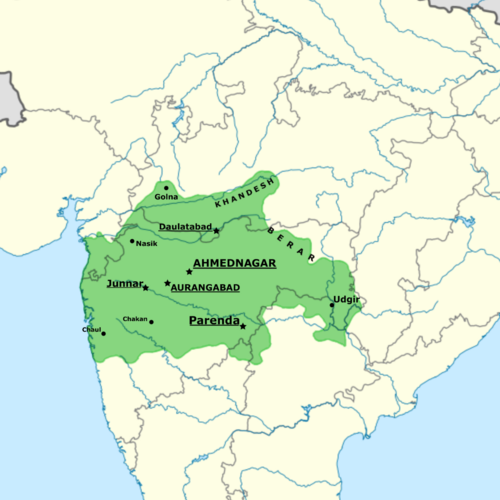
Ahmadnagar is a city located in the western Indian state of Maharashtra. It serves as the administrative center of the Ahmadnagar district and is known for its rich historical significance and cultural heritage. The city was founded in 1490 by Ahmad Nizam Shah, the first ruler of the Nizam Shahi dynasty, which was established during the period of the Deccan Sultanates. Ahmadnagar has played a prominent role in Indian history, particularly during the Mughal and Maratha periods. The city's strategic location made it an important military and trade outpost, influencing various significant battles and political maneuvers in the region.
Ahmadnagar is renowned for its numerous historical monuments and structures, reflecting its legacy as a seat of power. Among these is the imposing Ahmadnagar Fort, built in 1490, which has been the site of many historical events, including the imprisonment of Lokmanya Tilak during the Indian independence movement. The fort is characterized by its massive walls and intricate architecture, and it continues to attract tourists and historians alike. Other notable attractions include the tomb of Ahmed Nizam Shah, the city’s namesake, and the Chand Bibi Palace, dedicated to the valiant queen who defended the fort against the Mughal invasion. The city's economy is supported by agriculture, with a focus on sugarcane, cotton, and various fruits, while industries such as textiles and manufacturing also play a significant role.
Culturally, Ahmadnagar is a melting pot of traditions, reflected in its festivals, cuisine, and arts. The residents celebrate a variety of events, including Ganesh Chaturthi and Diwali, with great enthusiasm. Ahmadnagar is also home to several educational institutions and is increasingly recognized for its growing educational landscape. In recent years, the city has witnessed infrastructural development, bolstering its connectivity and appealing to new business ventures. With a blend of historical significance and modern growth, Ahmadnagar remains one of Maharashtra’s notable cities, offering a glimpse into India’s vibrant past and its ongoing evolution.
Facts about Ahmadnagar
- Ahmadnagar is home to the famous Ahmednagar Fort, built in 1490 by Ahmad Nizam Shah, which played a significant role during several historical conflicts in India.
- The city is known for the Dargah of Khwaja Shah Male Tabrez, a revered Sufi shrine that attracts thousands of pilgrims annually.
- Ahmadnagar was the birthplace of Bahadur Shah I, the last Mughal Emperor, adding historical significance to the city during the Mughal era.
- It is known as the 'City of Saints' due to its numerous Sufi shrines and historical connections to various saints and spiritual leaders.
- The city is the site of the historic ‘Khed’ battle fought in 1818, which was pivotal in the establishment of British dominance in India.
- Ahmadnagar is distinguished by its unique cultural blend, influenced by both Maratha and Mughal architectural styles seen in its buildings and monuments.
- The city was an important center during the Indian Independence movement, featuring significant events and protests against British colonial rule.
- Ahmadnagar is also known for its agricultural products, particularly grapes, making it a notable region for viticulture in Maharashtra.
- The city is home to the prestigious Military School, established during the British era, providing military education to future leaders.
- The annual Ahmadnagar Festival celebrates the city's diverse culture, featuring local music, dance, and food, attracting visitors from across the state.