Aígio, Greece
- 20,422 people
- 3 places to visit
- 38.2505, 22.0811
Places to Visit (3)
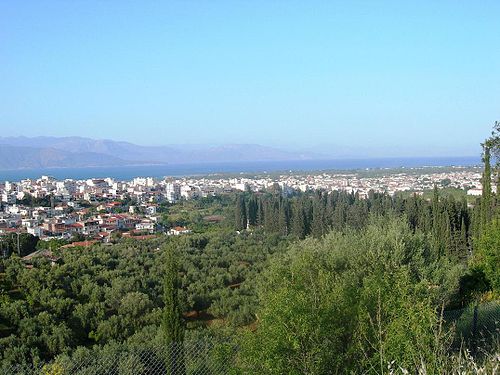
Aígio, a picturesque city located in the northeastern part of the Peloponnese region of Greece, is situated along the Gulf of Corinth. It lies approximately 50 kilometers west of the city of Patras and serves as the capital of the Aigialeia municipality in the administrative region of Western Greece. The city's geography is characterized by its stunning coastal views, surrounding hills, and rich natural landscapes. Aígio has a population of around 25,000 residents and enjoys a mild Mediterranean climate, making it a favorable destination for both residents and tourists.
The city is steeped in history, with its origins dating back to ancient times. Aígio was known as Aegium and was an important center during the Roman and Byzantine periods. The area is dotted with archaeological sites and historical landmarks that speak to its rich heritage, including remnants of ancient theaters and early Christian basilicas. Aígio’s economy has traditionally revolved around agriculture and fishing, although it has gradually incorporated tourism as a vital sector due to its rich cultural offerings and beautiful landscapes. The city's proximity to other historical sites, such as the ancient city of Delphi and the famous Diolkos, enhances its appeal as a tourist destination.
Today, Aígio offers a blend of traditional Greek charm and modern amenities. The city boasts a vibrant waterfront promenade lined with cafés, restaurants, and shops, where visitors can indulge in local cuisine and enjoy the beautiful views of the Gulf of Corinth. Aígio is also known for its festivals, particularly the wine festival held in the summer, showcasing the region's wine-making heritage. As part of the larger Aigialeia municipality, Aígio serves as an administrative and cultural hub, fostering a sense of community while inviting exploration of its historical roots and natural beauty.
Facts about Aígio
- Aígio, located on the northern coast of the Peloponnese, is known for its scenic views of the Gulf of Corinth and the surrounding mountains.
- Historically, Aígio was the site of important battles during the Greek Revolution against Ottoman rule in the 19th century.
- The city is home to the Sanctuary of Apollo, an ancient site that was once a significant religious center in the region.
- Aígio's bustling harbor is one of the main points of maritime trade in the area, connecting it to various islands and mainland ports.
- The annual Aígio Wine Festival celebrates the city’s rich viticulture, showcasing local wines and attracting tourists from across the country.
- Aígio played a role in the development of early Greek shipping routes, which contributed to its economic growth in ancient times.
- The city features the impressive 17th-century Church of St. George, which stands out for its beautiful frescoes and architectural style.
- Aígio has a unique blend of neoclassical and modern architectural styles, reflecting its historical evolution through various periods.
- The nearby Diakofto Kalavryta Railway, known for its scenic and historic route, starts at Aígio and is a popular attraction for tourists.
- Aígio is known for its vibrant cultural scene, including art exhibitions, theater performances, and music festivals held throughout the year.