Aïn Beïda, Algeria
- 116,064 people
- 1 places to visit
- 35.7961, 7.3904
Places to Visit (1)
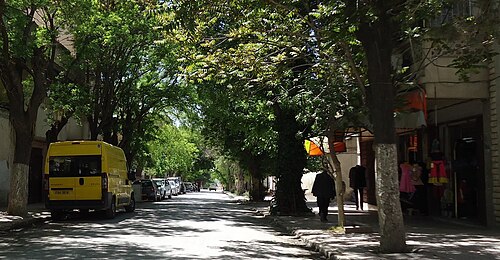
Aïn Beïda is a city located in northeastern Algeria, within the Wilaya of Oum El Bouaghi. It serves as an administrative center and plays a significant role in the region’s economy and culture. The city’s name translates to "White Spring" in Arabic, reflecting its historical connection to the natural springs found in the area. Aïn Beïda is situated approximately 30 kilometers southwest of the city of Khenchela and about 280 kilometers east of the capital, Algiers. The city is characterized by its moderate climate, traditional architecture, and proximity to the mountainous regions of the Aurès Mountains, known for their stunning natural landscapes.
Throughout its history, Aïn Beïda has transitioned from a predominantly agricultural community to a more diverse economic hub. The city boasts a mix of industries, including textile production, agribusiness, and local crafts, contributing to the livelihood of its residents. Aïn Beïda is also known for its educational institutions and cultural events that celebrate the rich Berber and Arab heritage of the region. The local population consists mainly of Arab and Berber communities, creating a unique blend of customs, traditions, and languages. The presence of historical sites, such as mosques and traditional markets, attracts visitors looking to explore the cultural depth of the area.
Transport infrastructure in Aïn Beïda is well-developed, with road connections linking it to major cities and rural areas, facilitating trade and mobility. The city is served by a railway station that provides connectivity to other parts of Algeria, enhancing its strategic importance. Over recent years, Aïn Beïda has worked on improving its urban planning and services, aiming to promote better living conditions for its inhabitants and support economic growth. As Algeria continues to develop, Aïn Beïda stands as a testament to the blend of history, culture, and modernity that characterizes the country as a whole.
Facts about Aïn Beïda
- Aïn Beïda is known for its rich agricultural heritage, particularly in the production of cereals and olives.
- The city is located in the Oum El Bouaghi Province and serves as an important economic hub for the surrounding rural areas.
- Aïn Beïda has a unique blend of Berber and Arab cultures, reflected in its local festivals and traditional crafts.
- The city is noteworthy for its historical significance during the Algerian War of Independence, serving as a strategic location for various battles.
- Aïn Beïda is home to the ancient ruins of the Roman city of Timgad, located nearby, which is a UNESCO World Heritage site.
- The local architecture features distinct North African designs, including traditional earthen houses and modern residential developments.
- With a population that has grown rapidly since Algeria's independence, Aïn Beïda has transformed into a vibrant urban center.
- The city hosts annual cultural festivals that celebrate its heritage, attracting visitors from all over Algeria.
- Aïn Beïda's geographical location provides a unique climate that supports diverse agricultural practices, distinguishing it from other cities in Algeria.
- The local cuisine of Aïn Beïda features unique dishes that utilize locally grown ingredients, including various tagines and couscous varieties.