Aiud, Romania
- 28,341 people
- 8 places to visit
- 46.3087, 23.7246
Places to Visit (8)
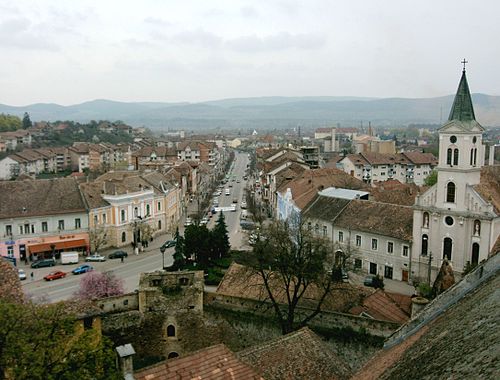
Aiud is a city located in Alba County, in the central part of Romania. Nestled in the region of Transylvania, Aiud is situated on the banks of the Mureș River and is surrounded by picturesque landscapes, including the Apuseni Mountains. The city has a rich history that dates back to ancient times, with archaeological evidence suggesting that it has been inhabited since the prehistoric era. The area's strategic significance was recognized during the Roman Empire, leading to the establishment of a Roman fort known as “Apulum” nearby. Throughout the centuries, Aiud has been influenced by various cultures and ruling powers, including the Hungarians, Turks, and Austrians.
The town features an array of historical architecture, exemplifying its long-standing heritage. One of its most notable structures is the Reformed Church, which boasts impressive Gothic design elements and dates back to the 14th century. Another significant landmark is the Aiud Citadel, a fortress built in the 17th century that represents the fortifications of the Transylvanian region. The town has also been the site of pivotal events in Romanian history, particularly during the Austro-Hungarian period and the Romanian Revolution of 1989. Today, Aiud retains its charm with a blend of traditional and modern elements, making it an attractive destination for visitors interested in history and culture. The local economy is primarily based on agriculture, light industry, and services, which support the community's livelihood while promoting sustainable growth in the region.
Facts about Aiud
- Aiud is home to one of the oldest educational institutions in Romania, established in 1786 which has a significant role in the Transylvanian cultural landscape.
- The Aiud Citadel, a well-preserved fortress dated back to the 13th century, serves as a unique historical landmark, distinguishing Aiud from other towns.
- Aiud has a rich history in the wood-processing industry and is known for its high-quality wooden carvings and traditional craftsmanship.
- The town has a unique geographical feature; it is located at the confluence of the Aiud River and several smaller streams, contributing to its picturesque landscapes.
- Aiud played a significant role in the Hungarian Revolution of 1848, making it a notable site in Romania's history of revolutions.
- The town is known for its annual Aiud Cultural Festival, which celebrates local traditions, arts, and crafts, attracting visitors from all over the region.
- Aiud's history includes its role as a significant center for the Reformation in Transylvania, with notable Protestant churches that reflect this heritage.
- The Aiud Prison, built in the 18th century, is infamous for its historical significance during the communist regime, serving as a detention center for political prisoners.
- In Aiud, you can find the unique Kalvaria Hill, which features a path of Stations of the Cross that is both a historical and a spiritual pilgrimage site.
- Aiud's location near the Apuseni Mountains offers outdoor enthusiasts access to various hiking and recreational activities that are distinct to its geography.