Ajdabiya, Libya
- 131,773 people
- 1 places to visit
- 30.7575, 20.223
Places to Visit (1)
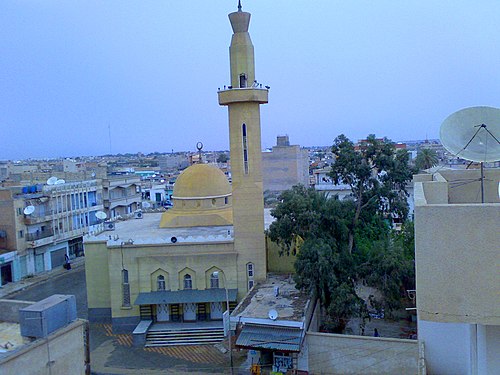
Ajdabiya is a city located in northeastern Libya, serving as a significant hub in the country’s diverse landscape. Situated approximately 160 kilometers southwest of the coastal city of Benghazi, Ajdabiya lies at the crossroads of key routes connecting the eastern Mediterranean region to the interior of Libya. The city is characterized by its strategic position at the entrance to the oil-rich Sirte Basin, making it a crucial point for the transportation and distribution of oil and gas resources, which are vital to Libya's economy. Given its geographical importance, Ajdabiya has been a focal point for various historical and geopolitical events in Libya.
Historically, Ajdabiya has witnessed considerable transformation, particularly during the Libyan Civil War that began in 2011, when it served as a battleground between loyalists to the former government of Muammar Gaddafi and the opposition forces. The city changed hands multiple times throughout the conflict, causing significant damage to its infrastructure and impacting its population. Post-war, Ajdabiya has faced challenges in rebuilding and reconciling its community, but it remains known for its resilience and cultural heritage. The city features several landmarks and historical sites, reflecting its past, including remnants of ancient Roman settlements and Ottoman-era architecture. Ajdabiya's population is diverse, primarily composed of Arab and Berber communities, and it reflects the broader cultural mosaic of Libya. In recent years, efforts to stabilize the city and promote development have led to gradual improvements in living conditions, although ongoing political instability continues to pose challenges to its progress.
Facts about Ajdabiya
- Ajdabiya is known for its strategic location as a crossroads between the eastern and western regions of Libya, making it a key point for trade and transportation.
- The city has a rich history dating back to ancient times, with archaeological evidence suggesting it was inhabited by Berber tribes and later became part of the Roman Empire.
- Ajdabiya was a significant site during the Libyan Civil War, serving as a battleground with critical confrontations that impacted the course of the conflict.
- The town is home to the Ajdabiya Fort, a historic fortress that has showcased various architectural influences over the centuries.
- Ajdabiya has a diverse cultural heritage, influenced by various civilizations including the Phoenicians, Romans, and Ottomans, which reflects in its local traditions and customs.
- The city is surrounded by the Sahara Desert, which plays a role in its climate and has influenced the lifestyle and economy of its inhabitants.
- Ajdabiya is noted for its agricultural production, particularly olives, and has been a center for olive oil production in Libya.
- The city's economy relies not only on agriculture but also on oil-related industries due to its proximity to important oil fields.
- Ajdabiya holds cultural significance through local festivals that celebrate traditional music, dance, and art, enhancing its identity within Libya.
- Ajdabiya serves as a vital connection point for travelers and logistics between major cities like Benghazi and Tripoli, facilitating commerce and social interaction.