Ajka, Hungary
- 31,407 people
- 14 places to visit
- 47.1036, 17.5518
Places to Visit (14)
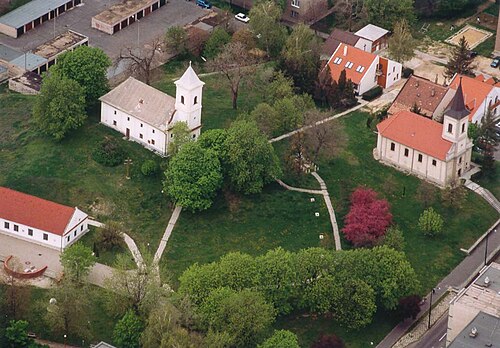
Ajka is a city located in Veszprém County, Hungary, situated approximately 40 kilometers northeast of Budapest and around 10 kilometers southwest of Lake Balaton. It lies within the Bakony Mountains and is surrounded by rich natural landscapes, making it an attractive location for both residents and visitors. The city has a rich history dating back to the Roman era, although it was officially established as a settlement later on. Ajka developed significantly in the 20th century, primarily due to industrialization, particularly in the field of bauxite mining and alumina production, which established it as an important industrial hub in Hungary.
The population of Ajka is around 30,000 inhabitants, and the community is characterized by its vibrant culture and local traditions. The city features a number of educational institutions, healthcare facilities, and recreational amenities that contribute to a quality living environment. Notable sites in Ajka include the Mary’s Church, built in the late 19th century, and various parks and recreational areas that offer leisure activities for residents and tourists alike. Ajka is also known for the annual cultural events and festivals that celebrate local heritage, arts, and crafts, strengthening community ties and promoting local talent.
Ajka benefits from its proximity to major highways and rail connections, providing accessibility to other regions in Hungary. The city has been modernizing its infrastructure to support growing economic activities and improve the quality of life for its citizens. Additionally, Ajka's natural surroundings promote outdoor activities such as hiking, cycling, and exploration, with nearby destinations like Lake Balaton offering recreational opportunities. With its combination of industrial legacy, natural beauty, and community spirit, Ajka represents a unique blend of traditional Hungarian culture and modern development.
Facts about Ajka
- Ajka is known for its rich industrial history, particularly in the production of alumina and electrolytic aluminum.
- The Ajka Thermal Power Plant, established in the 1960s, was one of the largest of its kind in Hungary and played a significant role in the region's energy supply.
- Ajka was the site of a major environmental disaster in 2010 when a red sludge spill from an alumina plant caused significant ecological damage and loss of life.
- The city has a vibrant cultural scene, showcased by events such as the Ajka Wine Festival, which emphasizes local wine production.
- Ajka is home to the Medgyessy Ferenc Cultural Centre, which hosts various cultural events, performances, and exhibitions throughout the year.
- The town hosts the Ajka-Borsosgalva Red Sludge Memorial Park, dedicated to the victims of the 2010 disaster and promoting environmental awareness.
- Ajka has a reputation for sporting achievements, particularly in cycling and handball, boasting several successful clubs and athletes.
- The town has various architectural landmarks, including the beautiful Roman Catholic Church built in the early 20th century, which reflects the local architectural style.
- Ajka has developed a strong educational presence, featuring numerous primary and secondary schools, and contributes to vocational training in the fields related to its industries.
- The city is located near the scenic Bakony Mountains, making it a popular destination for outdoor activities such as hiking and nature exploration.