Ajmer, India
- 517,911 people
- 17 places to visit
- 26.4499, 74.6399
Places to Visit (17)
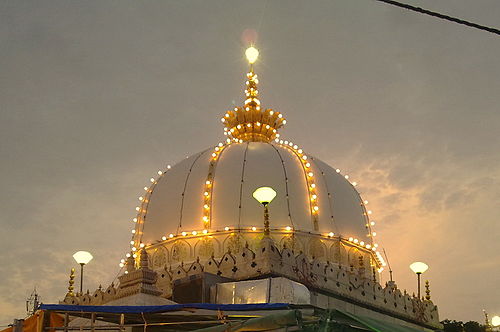
Ajmer is a historic city located in the Indian state of Rajasthan, situated amidst the Aravalli hills. It serves as the administrative headquarters of Ajmer district and holds significant importance due to its rich cultural and religious heritage. Founded in the 7th century by the Chauhan dynasty, Ajmer is particularly known for its association with the revered Sufi saint Khwaja Moinuddin Chishti, whose shrine, the Ajmer Sharif Dargah, attracts millions of devotees from various backgrounds each year. This mausoleum stands as a symbol of pluralism and spiritual harmony, enhancing the city's status as a pilgrimage center for both Muslims and Hindus alike.
The city features a blend of historical architecture, reflected in its numerous forts, palaces, and temples. Notable landmarks include the Ana Sagar Lake, a picturesque artificial lake constructed in the 12th century, and the Taragarh Fort, which offers a panoramic view of the region. Ajmer also hosts the Ajmer Darshan, a festival that celebrates local culture, showcasing traditional music and dance forms. Additionally, the city is a vital educational hub, home to institutions such as the Ajmer University and several residential schools. The economy of Ajmer is primarily driven by tourism, agriculture, and trade, with tourism playing a pivotal role in sustaining its local businesses and community livelihood. With its blend of spiritual significance and historical allure, Ajmer continues to attract both domestic and international visitors, making it a vibrant part of India's cultural landscape.
Facts about Ajmer
- Ajmer is home to the famous Ajmer Sharif Dargah, the shrine of the Sufi saint Khwaja Moinuddin Chishti, attracting millions of pilgrims from all walks of life each year.
- The city was founded in the 7th century by Raja Ajay Pal Chauhan and served as the capital of the Chauhan dynasty, marking its significance in Indian history.
- Ajmer is known for its annual Urs festival, commemorating the death anniversary of Khwaja Moinuddin Chishti, which features vibrant processions and cultural performances.
- The city is surrounded by the Aravalli range, making it one of the few places in Rajasthan with such beautiful mountainous scenery, distinct from the typical desert landscape.
- Ajmer hosts the Ana Sagar Lake, an artificial reservoir constructed in the 12th century, known for its scenic beauty and recreational activities, which differentiates it from many other cities in the region.
- The Indo-Saracenic architectural style of the Ajmer Municipal Corporation building, built during British rule, is a unique fusion of Islamic and Hindu influences, highlighting the city's historical cultural pluralism.
- The city is also known for the Taragarh Fort, one of the earliest hill forts in Rajasthan, which provides stunning views and insight into the region's medieval history.
- Ajmer was a significant center for the Mughal Empire and later became a part of British India, influencing its political landscape in a way that many other towns did not experience.
- The city is the site of the Ajmer nawabs' heritage, who played a crucial role in the region's development during the 19th century, setting it apart from other cities in Rajasthan.
- Ajmer serves as a gateway to the nearby city of Pushkar, famous for its annual Pushkar Camel Fair, making it a significant stop for tourists exploring this cultural hotspot.