Akhmīm, Egypt
- 151,430 people
- 1 places to visit
- 26.5626, 31.7449
Places to Visit (1)
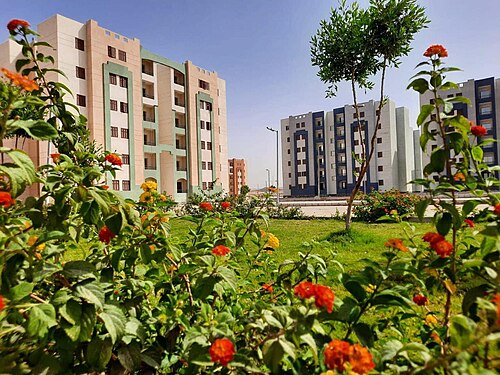
Akhmīm is a prominent city located in the Sohag Governorate of Upper Egypt, situated on the east bank of the Nile River. Historically significant, it is renowned for its rich cultural and artistic heritage, primarily connected to ancient Egyptian civilization. Known in antiquity as Khent-min or the City of Khent-Min, Akhmīm was a center for the worship of the god Min, a fertility deity depicted in various forms, and often associated with agriculture and male virility. This historical reverence has made the area a key archaeological site, with numerous temples and monuments indicative of its past glory, including the ruins of the Temple of Min and several ancient tombs that reflect the city's prominence in Egyptian history.
Modern-day Akhmīm maintains its significance as a center for agricultural production, particularly in sugarcane, vegetables, and cotton. The city has evolved over the centuries, integrating traditional crafts with contemporary practices, and it is also known for its textile and pottery industries. Akhmīm is characterized by its vibrant local markets, where traditional goods are traded, providing a glimpse into the daily lives of its inhabitants. The city also supports educational institutions and local governance, contributing to the community's development while preserving its historical landmarks. As with many Egyptian cities, Akhmīm serves as a hub that connects the past with the present, reflecting both ancient traditions and modern influences within the broader narrative of Egypt’s cultural landscape.
Facts about Akhmīm
- Akhmīm, located in Upper Egypt, is known for its ancient history and was a significant center of worship for the goddess Hathor.
- The city is famous for its thriving textile industry, which dates back to ancient times and continues to be an important economic activity today.
- Akhmīm is home to the Akhmīm Papyrus, one of the major discoveries in Egyptology that includes a collection of ancient texts.
- The city has numerous ancient ruins, including the Temple of Hathor, which showcases stunning architecture and inscriptions from the Ptolemaic era.
- Akhmīm is associated with the ancient city of Panopolis, believed to be the birthplace of significant figures in Egyptian history, including the philosopher Plotinus.
- It hosts the Akhmīm Mummy Portraits, a series of remarkable Roman-era artworks that depict the deceased and highlight the city’s artistic heritage.
- The city also played a key role in the Egyptian cotton industry, contributing to Egypt’s reputation as a leading cotton producer in the 19th century.
- Akhmīm is linked to the development of papyrus-making and was once a major production center for this ancient writing material.
- The local festival of Saint Abbo, celebrated in the city, attracts visitors and emphasizes the vibrant community and cultural traditions of Akhmīm.
- Akhmīm's proximity to the ancient sites of Thebes and the Valley of the Kings makes it a strategic location for archaeological explorations.