Aksum, Ethiopia
- 94,500 people
- 6 places to visit
- 14.1239, 38.7245
Places to Visit (6)
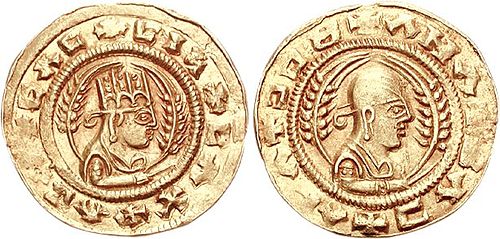
Aksum, a city located in the northern part of Ethiopia, is one of the most significant historical and archaeological sites in Africa. It served as the capital of the Aksumite Empire, which thrived between the 1st and 7th centuries AD. This empire was a precursor to modern Ethiopia and an early major player in the trade networks connecting Africa, the Middle East, and beyond. Aksum is particularly famous for its impressive stelae, which are monumental obelisks that mark the graves of ancient kings and reflect the city's advanced engineering and architectural capabilities. Among the most notable is the 24-meter tall Obelisk of Aksum, a UNESCO World Heritage Site, that showcases the skill and artistry of the Aksumite civilization.
The city is also renowned for being one of the first places in the world to officially adopt Christianity in the 4th century under King Ezana, who established it as the state religion. Aksum is home to the Church of St. Mary of Zion, which is believed to house the Ark of the Covenant, an important religious artifact in Christianity and Judaism. This deep religious history has made Aksum an important pilgrimage site for Christians in Ethiopia and around the world. Additionally, the city has a rich and diverse culture that intersects various traditions, evidenced in its language, cuisine, and festivals. Today, Aksum continues to attract tourists and scholars interested in its archaeological significance, history, and role in the broader narrative of Ethiopian civilization, as it remains a vital symbol of national pride and heritage.
Facts about Aksum
- Aksum is home to the Aksum Obelisks, towering stone structures that date back to the 4th century AD, which are among the tallest and most elaborate in the ancient world.
- The city was once the capital of the Aksumite Empire, which was a major trading empire that dominated the Red Sea trade routes and was one of the four great civilizations of the ancient world.
- Aksum is considered the historical resting place of the Ark of the Covenant, which is claimed to be housed in the Church of St. Mary of Zion.
- It is known for its impressive archaeological sites, including ancient tombs and the ruins of palaces, showcasing the sophisticated urban planning of the Aksumite civilization.
- Aksum’s economy was historically based on trade, agriculture, and minting coins, making it one of the first civilizations to use currency in Africa.
- The city was a major center for early Christianity, being one of the first regions in the world to adopt Christianity as the state religion in the 4th century AD.
- Aksum's distinct architectural style includes the iconic stelae, which are granite pillars marking royal graves, some of which are over 24 meters tall.
- The ancient Aksumite Coins, which featured symbols and images influencing commerce across the region, were minted in Aksum, reflecting the empire's economic power.
- Aksum’s location is significant for being close to the sources of the Blue Nile and the Red Sea, linking it to important trade networks throughout history.
- In 1980, the ruins of Aksum were designated a UNESCO World Heritage Site, recognizing its outstanding universal value as an archaeological and historical center.