Akure, Nigeria
- 730,000 people
- 8 places to visit
- 7.2571, 5.2058
Places to Visit (8)
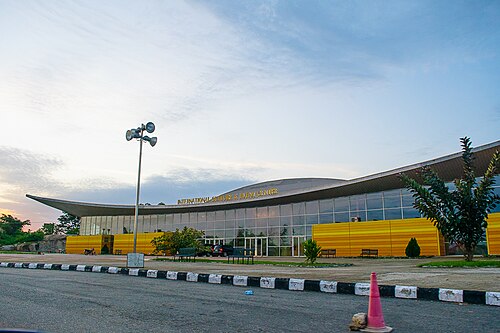
Akure is the capital city of Ondo State in southwestern Nigeria, located approximately 300 kilometers northeast of Lagos. It serves as a significant cultural and economic hub within the region. The city has a population of over 500,000 people, making it one of the largest urban centers in the state. Akure is known for its rich history, diverse cultural heritage, and vibrant traditions, combining influences from various ethnic groups, primarily the Yoruba. The city is characterized by its rolling hills, lush vegetation, and various natural resources, which contribute to its scenic beauty and agricultural potential.
Historically, Akure was the capital of the Akure Kingdom, which played a crucial role in the political and social life of the Yoruba people. The city has several notable landmarks, including the traditional palace of the Deji of Akure, which is not only the residence of the local king but also a symbol of the city's historical significance. Akure is also home to the annual Akure Festival, which celebrates the unique customs, music, and arts of the people, attracting visitors from across Nigeria and beyond. Educationally, the city hosts several institutions, including the Adekunle Ajasin University, which contributes to the local economy and provides higher education opportunities for residents.
Economically, Akure thrives on agriculture, trade, and services. The region is particularly known for its production of cocoa, cassava, and palm oil, contributing to both local consumption and exports. Markets in the city are vibrant, with a variety of goods ranging from agricultural produce to crafts and textiles. Akure's infrastructure has seen significant improvements over the years, with ongoing development in transportation and housing. As a result, the city has become an attractive location for businesses and investors. Despite facing challenges such as urbanization and infrastructure demands, Akure continues to evolve while holding on to its cultural roots, making it an essential part of Nigeria's socio-economic landscape.
Facts about Akure
- Akure is the capital of Ondo State and is known for its rich cultural heritage, including traditional festivals like the Araba Festival, which celebrates the importance of the traditional priest.
- The city is home to the prestigious Federal University of Technology, Akure (FUTA), which is known for its focus on technology and engineering, attracting students from across Nigeria and beyond.
- Akure features the famous Aare Afe Babalola University, which is renowned for its high academic standards and has made significant contributions to higher education in Nigeria.
- The city also has significant historical landmarks such as the African Church Cathedral, which was established in 1901 and is one of the oldest church buildings in Nigeria.
- Akure is famous for its production of yam, which is considered a staple food, and various agricultural products that contribute significantly to its economy.
- The town has several prehistoric sites, including the Iluateru Caves, which are believed to have historical and cultural significance dating back centuries.
- Akure is strategically located between Lagos and Abuja, making it an important commercial hub in southwestern Nigeria.
- It is known for its distinct style of architecture, evident in the blend of traditional and modern buildings that reflect the city’s history and development.
- The annual Akure Cultural Carnival showcases the diverse traditions, music, and dance of the people, promoting tourism and cultural exchange.
- Akure houses the headquarters of the Ondo State Oil Producing Area Development Commission (OSOPADEC), reflecting its role in the oil and gas industry in Nigeria.