Al ‘Amārah, Iraq
- 323,302 people
- 6 places to visit
- 31.8379, 47.1421
Places to Visit (6)
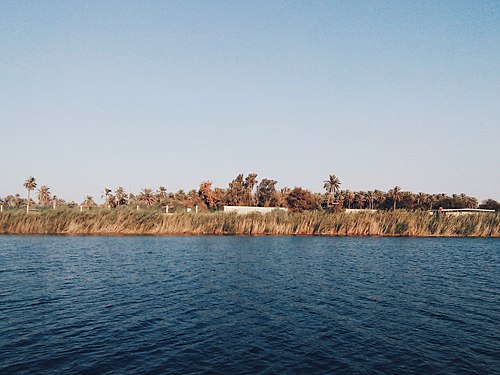
Al ‘Amārah is a city located in southeastern Iraq, serving as the capital of the Maysan Province. Situated on the banks of the Tigris River, Al ‘Amārah is approximately 300 kilometers southeast of Baghdad. The city's strategic location has historically made it a significant trade and transportation hub, linking various regions of Iraq. With a population exceeding 300,000 residents, Al ‘Amārah is characterized by a diverse demographic, with a mix of Arab and Kurdish communities. The economy of the city primarily revolves around agriculture, as the surrounding fertile lands benefit from the river's irrigation. The region is known for producing crops such as rice, wheat, and various fruits and vegetables.
Al ‘Amārah has a rich cultural history that reflects the broader historical developments of Iraq. The city has seen significant changes over the decades, particularly during periods of conflict that have affected the nation. The city was notably impacted during the Iran-Iraq War in the 1980s, which led to substantial destruction and loss of life in the region. Despite these challenges, locals have shown resilience, striving to maintain their cultural heritage and community bonds. Educational institutions are present in the city, fostering learning and development, while health facilities work to address the needs of the growing population. The social fabric of Al ‘Amārah is woven with traditions and practices that highlight the Iraqi way of life, providing a glimpse into the culture and identity of the country's southeastern regions. Today, as the city continues to rebuild and develop, it holds potential for growth, benefiting from its natural resources and strategic location.
Facts about Al ‘Amārah
- Al ‘Amārah, also known as Amara, is the capital of the Maysan Governorate in southeastern Iraq, distinguishing it as an administrative center in a predominantly agricultural region.
- The city is located at the confluence of the Tigris and Diyala Rivers, giving it a unique geographic significance compared to other Iraqi cities.
- Al ‘Amārah has a rich history dating back to ancient times, being part of the Mesopotamian civilization, and it has archaeological finds that date back thousands of years.
- The city is known for its lush date palm groves, making it one of the key regions in Iraq for date cultivation, contributing to both local and national economies.
- Al ‘Amārah has been noted for its traditional crafts, particularly silk weaving, which sets it apart from other cities that may lack such artisanal heritage.
- During the 20th century, Al ‘Amārah gained attention as a stronghold for resistance movements against various regimes, showcasing its political significance in Iraq's history.
- The city features several important Shiite shrines, reflecting its cultural and religious significance, particularly in comparison to predominantly Sunni regions.
- Al ‘Amārah has endured multiple conflicts, including the Iran-Iraq War, having strategic importance due to its location and resources, impacting its development in unique ways.
- The local economy of Al ‘Amārah is marked by agriculture, particularly rice and millet cultivation, which is somewhat distinct in comparison to the oil-dominated economies of other Iraq regions.
- The city is also recognized for its vibrant markets and bazaars, which offer a mix of traditional Iraqi goods, distinguishing its cultural experiences from larger cities like Baghdad.