Al Fayyum, Egypt
- 519,047 people
- 5 places to visit
- 29.3084, 30.8428
Places to Visit (5)
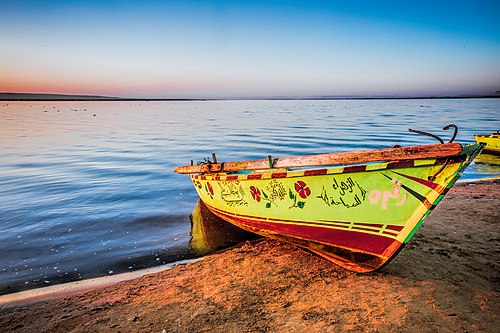
Al Fayyum is a city located in the northwest of the Nile River in Egypt, approximately 130 kilometers southwest of Cairo. It serves as the capital of the Fayyum Governorate and is one of the oldest urban settlements in Egypt, with a history that dates back to ancient times. The city is situated adjacent to the Fayyum Oasis, an important agricultural and historical area that has supported civilization since antiquity. The oasis is characterized by its unique geography, featuring a depression that creates a fertile land surrounded by desert, which has made it a center for agriculture and settlement. The area is particularly known for its cultivation of crops such as cotton, wheat, and various fruits, supported by a network of irrigation canals linked to the Nile.
Al Fayyum boasts rich historical significance, with archaeological sites that reflect its diverse past. Notably, the ancient city of Crocodilopolis, or "Crocodilopolis," was located here, revered in the Nile Valley for its association with Sobek, the crocodile god. Visitors to the area can explore the remnants of temples, such as those dedicated to Sobek, and the nearby sites of Hawara and Lisht, which feature pyramids from the Middle Kingdom. Al Fayyum also hosts the picturesque Lake Qarun, one of Egypt's largest lakes, which is a focal point for both ecological diversity and tourism. The lake attracts birdwatchers and is a key site for fishing, further enhancing the region's agricultural relevance.
In modern times, Al Fayyum has grown into a vibrant city that combines its historical roots with contemporary life. The population there enjoys various amenities, including educational institutions, markets, and healthcare facilities. The city is known for its local crafts, such as pottery and textiles, which reflect the artistic heritage of the region. Al Fayyum also participates in cultural exchanges and celebrations that preserve its historical legacy while fostering development. As a gateway to the rich heritage of ancient Egypt, Al Fayyum remains an essential location for both local and international visitors interested in exploring the country's past and its agricultural advances in the present.
Facts about Al Fayyum
- Al Fayyum is home to the ancient city of Crocodilopolis, which was dedicated to the worship of the crocodile god Sobek, making it unique in its religious significance.
- The Fayyum Oasis is known for its fertile land, allowing it to be one of the primary agricultural areas in Egypt, particularly famous for producing the Fayoumi chicken breed.
- Al Fayyum features the Lake Qarun, one of the oldest lakes in the world, offering important archaeological insights and a unique habitat for various bird species.
- The region is famous for its unique ancient waterwheels called 'sakia,' which have been used for irrigation since ancient times, showcasing the area's historical ingenuity in agriculture.
- Al Fayyum is renowned for its connection to the 'Fayyum Portraits,' a type of ancient Roman painting that is particularly noted for its lifelike representations and use of encaustic techniques.
- The city has a rich Pharaonic history, with many nearby archaeological sites, including the Temple of Sobek and the remnants of ancient Roman structures.
- Al Fayyum is also known for its traditional crafts, including pottery and textiles, reflecting a blend of ancient and modern Egyptian artistry.
- The region holds an annual festival known as the Fayyum International Film Festival, attracting filmmakers and cinema lovers from across the globe.
- Al Fayyum’s unique geographical setting, with its depressions and marshlands, has created a distinct ecosystem unlike other parts of Egypt, rich in biodiversity.
- The city is recognized as a center for eco-tourism, particularly because of its natural springs and biodiversity, encouraging sustainable and responsible travel.