Al Kharj, Saudi Arabia
- 425,300 people
- 4 places to visit
- 24.1576, 47.3248
Places to Visit (4)
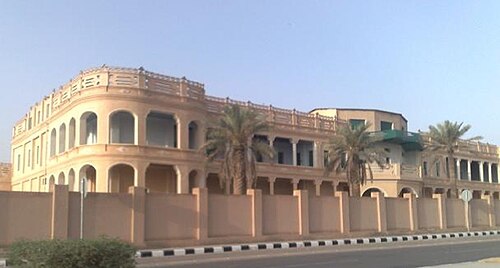
Al Kharj is a city located in the central region of Saudi Arabia, approximately 77 kilometers southeast of the capital, Riyadh. It falls within the Riyadh Province and serves as an important industrial and agricultural hub in the Kingdom. The city boasts a rich history that dates back to ancient times when it was a significant site for agriculture due to its proximity to water resources, primarily from the nearby Wadi Al Kharj. Over the years, its strategic location along key trade routes has contributed to its development and increasing significance in the region.
As part of Saudi Arabia's push towards economic diversification, Al Kharj has seen considerable investment in various sectors, particularly agriculture, manufacturing, and services. The city is renowned for its agricultural output, particularly in the production of dates, fruits, and vegetables. It is also home to several agricultural research centers that focus on improving crop yields and sustainability practices. In addition to agriculture, Al Kharj has developed a robust industrial sector, with numerous factories and companies engaged in food processing, construction materials, and other manufacturing activities. The city's infrastructure has also improved in recent years, with modern roads, educational institutions, and healthcare facilities being established to support its growing population.
Al Kharj's demographic profile reflects a mix of Saudi nationals and expatriates, contributing to its diverse culture. The city retains elements of traditional Saudi life while also embracing modernization, evident in its expanding urban development. Despite its growth, Al Kharj maintains a connection to its heritage, with traditional markets and cultural festivals attracting visitors. The local economy benefits from both its agricultural prowess and industrial activities, positioning Al Kharj as a vital contributor to the economic landscape of Saudi Arabia. The ongoing development initiatives promise to further enhance the city’s role as a center of commerce, education, and cultural exchange in the region.
Facts about Al Kharj
- Al Kharj is known for its significant agricultural contribution to Saudi Arabia, producing a large portion of the country's vegetables, fruits, and dairy products.
- The city is home to the largest oasis in the Riyadh region, providing fertile land and a unique landscape that differentiates it from many urban areas in Saudi Arabia.
- Al Kharj has a rich history that dates back to the Pre-Islamic era, with archaeological findings indicating human settlement thousands of years ago.
- The city is strategically located near the capital, Riyadh, making it a vital link for trade and commerce, contributing to its rapid urban development.
- Al Kharj hosts the Prince Sultan Air Base, which is an important military facility that plays a key role in the country's defense strategy.
- The historical site of Al Kharj includes the remnants of ancient ruins, such as the Qasr Al Kharj, showcasing the city's long-standing history and cultural heritage.
- Al Kharj has been the site of significant events in the development of Saudi Arabia’s modern infrastructure, particularly in the sectors of water management and agriculture.
- The city is renowned for its large-scale date palm cultivation, contributing to the region's economy and providing a source of traditional food.
- Al Kharj hosts various cultural and sporting events that foster community engagement and highlight local traditions, setting it apart from other urban areas.
- It is an educational hub in the region, featuring a number of universities and colleges that cater to a diverse student population.