Al Maḩallah al Kubrá, Egypt
- 592,573 people
- 5 places to visit
- 30.9697, 31.1681
Places to Visit (5)
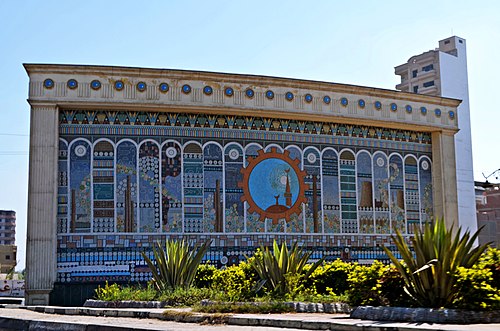
Al Maḥallah al Kubrá is a prominent city located in the Gharbia Governorate of Egypt, known for its rich history and significant economic contributions to the region. Situated on the Nile Delta, approximately 100 kilometers north of Cairo, the city has a population of around 500,000 residents. This urban center plays a vital role in Egypt's textile industry, often referred to as the "textile capital" of the country. The city hosts several large cotton and textile factories, benefitting from Egypt's long-standing reputation for high-quality cotton production, which dates back to the 19th century. Al Maḥallah al Kubrá has historically been a hub for textile trade, with a robust workforce that has contributed to its economic vitality.
In addition to its industrial prowess, Al Maḥallah al Kubrá boasts a rich cultural heritage. The city features various historical sites and religious landmarks, reflecting its diverse cultural influences over the centuries. Among its notable sites are the Al Maḥallah al Kubrá Mosque and various local markets that showcase traditional Egyptian crafts. The city also plays an essential role in local governance and education, hosting primary, secondary, and higher educational institutions that serve the surrounding areas. Al Maḥallah al Kubrá’s strategic location, combined with its industrial and cultural significance, makes it an integral part of Egypt's economic and social landscape, contributing to the country's overall development. Additionally, its active civil society and recent engagement in socio-political movements have positioned it as a focal point for local activism in response to broader national issues.
Facts about Al Maḩallah al Kubrá
- Al Maḩallah al Kubrá is known as the primary center for the Egyptian textile industry, particularly cotton products, and has a rich history of textile manufacturing.
- The city was historically significant in the 20th century for its role in labor movements and strikes, particularly the well-known 1977 bread riots that began in Al Maḩallah al Kubrá.
- Al Maḩallah al Kubrá is home to the largest cotton spinning and weaving factory in the Middle East, the Misr Cotton Company.
- The city hosts an annual cultural festival that celebrates local trades, crafts, and the traditions of the textile industry.
- Al Maḩallah al Kubrá has a unique blend of urban and rural environments, surrounded by farmland that contributes to its local economy.
- The city has several notable mosques, including the Al Maḩallah Mosque, which showcases impressive Islamic architecture.
- Al Maḩallah al Kubrá has produced several prominent Egyptian figures, including politicians, activists, and artists, contributing to its reputation as a cultural hub.
- The local cuisine features distinct dishes that reflect the agricultural heritage of the region, with a focus on traditional Egyptian recipes.
- The city played a vital role during the Egyptian Revolution of 2011, with many locals participating in protests and demonstrations against the regime.
- Al Maḩallah al Kubrà is strategically located along the Nile Delta, providing it with fertile land for agriculture and easy access to major cities like Cairo and Alexandria.