Alamata, Ethiopia
- 70,400 people
- 3 places to visit
- 12.4148, 39.5582
Places to Visit (3)
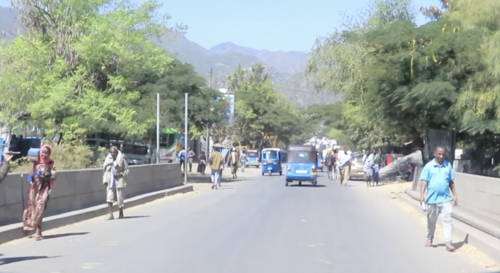
Alamata is a town located in the Southern Tigray region of Ethiopia, situated about 600 kilometers north of the capital city, Addis Ababa. It lies at an elevation of approximately 2,000 meters above sea level and serves as a significant administrative and economic center within the region. Alamata is known for its strategic position along major trade routes connecting various parts of Ethiopia, which has facilitated its development as a hub for commerce and transportation. The population of Alamata, primarily composed of the Tigrayan ethnic group, engages in agriculture, trade, and services. The town is surrounded by fertile land, making agriculture a vital part of its economy, with farmers cultivating crops such as barley, wheat, and various vegetables.
Historically, Alamata was significant during the Italian occupation of Ethiopia in the late 1930s and early 1940s and has influenced various cultural and political dynamics in the region. The town is also near the historical site of the ancient city of Aksum, a UNESCO World Heritage Site known for its obelisks, ruins, and ancient churches, which reflect Ethiopia's rich heritage and complex history. Alamata features a mix of traditional Ethiopian architecture and modern structures, showcasing its development over the years while still retaining its cultural identity. Despite facing challenges, such as those brought by regional conflicts and economic disparities, Alamata continues to grow and develop, serving as a focal point for education and health services in Tigray. As a town with a deep historical legacy and contemporary significance, Alamata stands as an important player in Ethiopia's socio-economic landscape.
Facts about Alamata
- Alamata is located in the Southern Tigray Zone of Ethiopia and serves as a pivotal commercial hub for the surrounding agricultural regions.
- The city is known for its proximity to several historic sites, including the ancient rock-hewn churches of Tigray, contributing to its rich cultural heritage.
- Alamata is famous for its livestock market, which attracts traders and customers from various parts of Ethiopia, making it a significant center for animal trade.
- In the early 2000s, Alamata was impacted by the Ethiopian government's programs to improve rural infrastructure, leading to development projects that transformed the city.
- Alamata is home to several educational institutions, including Alamata University, which serves as a center for higher learning in the region.
- The city is located near Lake Alamata, which provides essential water resources for agriculture and is a crucial part of the local ecosystem.
- Alamata hosts an annual festival called 'Soma', celebrating local traditions and culture, which brings together residents and visitors alike.
- The area around Alamata is known for its unique traditional handicrafts, particularly woven products, which are sought after in local markets.
- Alamata has strategic significance due to its location along key transportation routes connecting various parts of Ethiopia, making it a transit point for goods.
- The city has a diverse population, comprising different ethnic groups, which contributes to its multicultural landscape and variety of languages spoken.