Álamo, Mexico
- 25,159 people
- 5 places to visit
- 20.9115, -97.6755
Places to Visit (5)
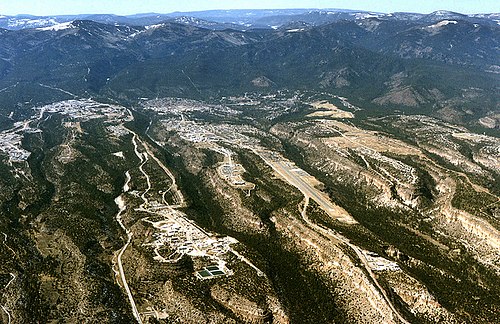
Álamo is a small city located in the state of Veracruz, Mexico. It serves as the municipal seat of the Álamo Temapache municipality and is situated approximately 204 kilometers north of Veracruz city. The city is positioned near the boundary of the Gulf of Mexico, contributing to its warm, tropical climate characterized by a wet season and a dry season. Its geographic location makes it an attractive point for agricultural development, with the region's economy largely relying on the cultivation of crops such as sugarcane, corn, and various fruits. The area's fertile land and favorable weather contribute to its significance within the agricultural sector of Veracruz.
Historically, Álamo has roots that trace back to pre-Columbian times, with a diverse cultural influence witnessed throughout its evolution. The city's name is derived from the Spanish word for "poplar," reflecting the lush natural environment that characterizes the region. Throughout its history, Álamo has experienced various changes, including its development during the colonial period and its role in the broader context of Mexican history during events such as the Mexican War of Independence and the Reform War. Today, Álamo is characterized by a blend of traditional and modern lifestyles, with local festivals reflecting its cultural heritage and communal values, showcasing the artistic craftsmanship and folk traditions of the area.
Residents and visitors can explore various landmarks, including historical churches and plazas that embody the city's cultural identity. Álamo also serves as a critical transportation hub within the region, facilitating trade and travel between different areas of Veracruz and beyond. The city is accessible via major highways that aid in connecting it to larger urban centers, facilitating the movement of goods and resources. As it continues to grow, Álamo retains its charm as a quintessential Mexican town, balancing development while preserving the rich cultural heritage that defines its identity.
Facts about Álamo
- Álamo is known for its strategic location as a vital agricultural hub in the state of Veracruz, focusing primarily on sugarcane and tropical fruit production.
- The city features a unique blend of cultural influences, including traditional Mexican customs and local indigenous traditions, reflecting its rich historical tapestry.
- Álamo has a significant historical landmark, the Church of San Pedro, which showcases colonial architecture and is a center for local religious festivities.
- The area around Álamo is part of the region designated for the production of vanilla, which is unique to this specific locality in Veracruz.
- Álamo hosts an annual agricultural fair that celebrates local produce and crafts, drawing in visitors from neighboring towns and cities, showcasing the region's agricultural heritage.
- The city play host to archaeological sites reflecting pre-Hispanic civilizations, providing insights into the area's ancient history and cultural development.
- Álamo's local cuisine is distinctive, featuring dishes that incorporate both traditional rural ingredients and modern culinary techniques, making it a gastronomic destination.
- The city is located near the Gulf of Mexico, giving it a unique geographical advantage for trade and tourism compared to other inland towns in Mexico.
- Álamo has a friendly community spirit, often hosting cultural events and festivals that promote local arts and crafts, distinguishing it as a vibrant community.
- The town's climate is characterized by a tropical atmosphere, which contributes to its lush landscapes and biodiversity, making it different from drier regions of Mexico.