Alamo TX, United States
- 19,246 people
- 3 places to visit
- 26.1837, -98.1231
Places to Visit (3)
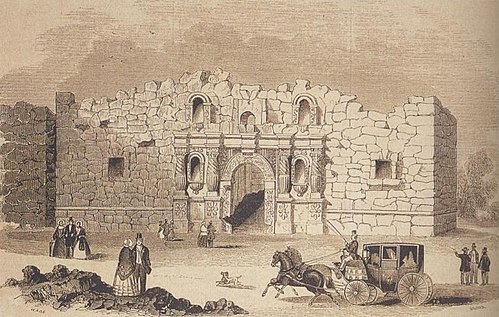
Alamo is a city located within Hidalgo County in the southern part of Texas, United States. It lies in the Rio Grande Valley, a region known for its rich agricultural history and proximity to the U.S.-Mexico border. Established in the 1920s, Alamo was originally a small farming community, but it has grown over the decades into a more developed urban area. As of the 2020 U.S. Census, Alamo had a population of approximately 20,000 residents. The city is part of the larger McAllen-Edinburg-Mission metropolitan area, which contributes to its diverse cultural landscape.
Alamo's economy is largely driven by agriculture, commerce, and trade, particularly given its location near the Mexico border, which facilitates cross-border commerce. The city is known for cultivating a variety of crops, especially citrus fruits, which thrive in the warm climate of the Rio Grande Valley. In addition to its agricultural base, Alamo has seen growth in retail and service sectors, catering to both local residents and visitors. The city's parks and recreational areas, such as the Alamo Country Club and several public parks, provide opportunities for outdoor activities. Additionally, Alamo hosts community events that celebrate its culture and heritage, fostering a sense of community among its residents. Overall, Alamo exemplifies a blend of small-town charm and growing urban amenities, making it a unique part of Texas’s diverse landscape.
Facts about Alamo
- Alamo, Texas is known as the 'City of the Palms' due to the abundance of palm trees and its tropical climate.
- The city is located in Hidalgo County and is part of the McAllen–Edinburg–Mission Metropolitan Statistical Area.
- Alamo is home to the annual Alamo Fiesta, a celebration that highlights the local culture, food, and music, attracting visitors from the surrounding regions.
- The historical town of Alamo was founded in the early 1900s and has preserved several structures from that era, reflecting its rich history.
- In the 1930s, Alamo was significant in the development of the cotton industry in South Texas, helping to establish it as an agricultural hub.
- Alamo is served by the Alamo Independent School District, which provides education to local students while promoting community involvement.
- The city hosts an annual cowboy and horse show that showcases traditional ranching culture and equestrian skills unique to the region.
- The Alamo Country Club, established in 1959, is known for its golf course and serves as a social hub for residents and visitors alike.
- Alamo is situated near the Upper Rio Grande Valley, known for its diverse crop production, including vegetables and citrus fruits, enhancing its agricultural significance.
- The city's location near the Mexican border makes it a cultural melting pot, with influences from both American and Mexican traditions evident in its festivals and cuisine.