Albacete, Spain
- 169,716 people
- 14 places to visit
- 38.9943, -1.8602
Places to Visit (14)
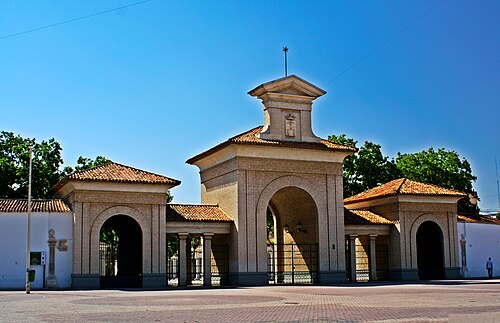
Albacete is a city located in southeastern Spain and serves as the capital of the province of the same name, which is part of the autonomous community of Castilla-La Mancha. Known for its modern infrastructure and vibrant cultural scene, Albacete has a population of approximately 173,000 residents, making it one of the largest cities in the region. Historically, the city rose to prominence in the 18th century due to its silversmithing and knife-making industries, which remain significant to its identity even today. Albacete is often recognized for its craftsmanship, particularly the production of high-quality folding knives, which are one of the city’s traditional products.
The city offers a blend of historical and contemporary attractions. Notable landmarks include the Cathedral of San Juan Bautista, known for its neo-Gothic architecture, The Passage of Lodares, which showcases beautiful 19th-century architecture, and the Museo de Albacete, which features a collection of local history artifacts, including archaeological finds and works of art. Albacete hosts various annual events, the most famous being the Feria de Albacete, a vibrant fair held in September that combines traditional celebration with modern amusement, drawing visitors from across Spain and beyond. The city is also home to a thriving gastronomy scene, with local specialties such as "pisto manchego" and "gachas" reflecting its rich culinary heritage.
Economically, Albacete has diversified over the years, with sectors such as agriculture, manufacturing, and services playing crucial roles in its development. Given its strategic location, the city serves as a transport hub, connecting the central and southeastern parts of Spain. The presence of the University of Castilla-La Mancha adds an educational dimension, fostering a youthful atmosphere and contributing to research and development initiatives. Overall, Albacete stands as a city where tradition meets modernity, offering both residents and visitors a dynamic lifestyle enriched by cultural diversity and historical significance.
Facts about Albacete
- Albacete is renowned for its knife-making industry, being the largest producer of knives and cutlery in Spain, with a history that dates back to the 15th century.
- The city is home to the only fully dedicated cutting and sewing fair in Spain, known as 'FARCAMA,' which showcases traditional crafts and attracts artisans from all over the country.
- Albacete has a rich cultural heritage, featuring a unique blend of architecture that includes elements of the Renaissance, Baroque, and Modernist styles, particularly visible in landmarks like the Cathedral of San Juan Bautista.
- The annual Feria de Albacete, one of the most important fairs in Spain, features a blend of local traditions, concerts, and attractions, bringing together locals and visitors every September for a week-long celebration.
- The city is the birthplace of the famous Spanish artist and architect José de Guasch, known for his contributions to modern architecture in the country.
- Albacete is notable for its extensive green spaces, including the Paseo de la Libertad, which is a picturesque promenade lined with trees and gardens, offering a refreshing escape from urban life.
- The city hosts the Albacete Air Base, one of Spain's major military bases, which has played a significant role in the country's military operations since its establishment.
- Albacete is known for its unique 'Ajos' (garlic) festival, where locals celebrate the garlic harvest with various activities and culinary delights featuring this essential ingredient in Mediterranean cuisine.
- It has a vibrant gastronomy scene, particularly famous for its Manchego cheese and 'pisto manchego,' a traditional ratatouille-like dish featuring local vegetables.
- Albacete's Plaza del Altozano is an iconic square that serves as a social hub and features the famous statue of 'El Mudo,' representing a silent horseman who has become a local symbol.