Albano Laziale, Italy
- 26,684 people
- 6 places to visit
- 41.7288, 12.6586
Places to Visit (6)
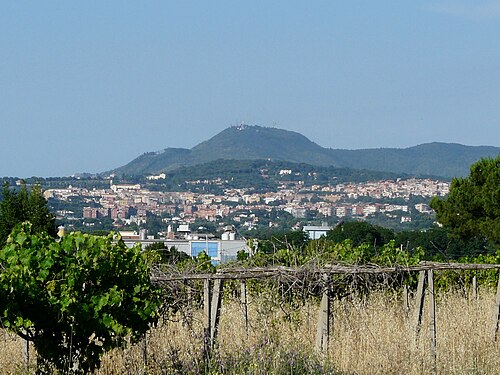
Albano Laziale is a quaint city located in the Lazio region of Italy, approximately 25 kilometers southeast of Rome. It is situated on the Alban Hills, a volcanic range that offers picturesque landscapes and historical significance. As of the latest census, the population of Albano Laziale is around 40,000 residents, making it an important urban center in the Castelli Romani area. The city’s strategic location near Rome has made it a popular destination for those seeking a quieter lifestyle while remaining close to the capital. The area is characterized by its rolling hills, lush greenery, and scenic views, which contribute to its charm and appeal.
Historically, Albano Laziale has roots that trace back to ancient Rome, with archaeological findings indicating that the area was settled as early as the Roman Republic. The city was known as Alba Longa, a legendary site associated with the origins of Rome and the birthplace of Romulus and Remus. This rich historical background is evident in several sites around the city, such as the Cathedral of San Pancrazio and the remains of the Roman Aqueduct. The city is also home to a beautiful lake, Lake Albano, which is a popular recreational area for both locals and visitors. Additionally, Albano Laziale hosts numerous festivals, events, and local markets, preserving the traditions and culture of the region.
Albano Laziale’s economy relies on a combination of tourism, agriculture, and local businesses. The fertile land surrounding the city supports the cultivation of various crops, while the historical sites attract tourists year-round. The blend of nature, history, and community makes Albano Laziale a unique destination for those looking to explore the Italian countryside without straying far from the vibrancy of Rome. Its accessibility via public transport, including trains and buses to the capital, further enhances its appeal as a place to live and visit. The city’s rich heritage, scenic beauty, and community spirit continue to define Albano Laziale as a charming locale in Italy.
Facts about Albano Laziale
- Albano Laziale is known for its rich history, dating back to ancient Roman times when it was called Albano, a key settlement in the Roman Empire.
- The city is famous for the Albano Lake (Lago Albano), a volcanic crater lake that attracts visitors for its natural beauty and recreational opportunities.
- Albano Laziale is home to the Cathedral of St. John the Baptist, a stunning example of Romanesque architecture with significant historical importance.
- The area is renowned for its wine production, particularly the Frascati wine, which is produced in the surrounding hills and celebrated in Italian culture.
- Albano Laziale hosts the Sagra dell'Uva, an annual grape festival in October that showcases local wine and gastronomy, drawing in visitors from across the region.
- The city's location offers breathtaking views of the Alban Hills, which are part of a protective regional park, making it a serene escape from nearby Rome.
- Albano Laziale has a peculiar feature: the ancient 'Acquedotto Alexandrino,' a Roman aqueduct that still stands as a testament to Rome's engineering prowess.
- The annual Palio di Albano, a historical reenactment and competition, preserves the traditions and culture of the city while promoting community spirit.
- Albano Laziale's thermal springs were valued in ancient Roman times, and the area is still known for its natural sulphur springs, which are believed to have healing properties.
- The city is celebrated for the Bunker of Mussolini, a hidden historic site that served as a shelter during World War II, reflecting a significant era of Italian history.