Albany NY, United States
- 98,469 people
- 17 places to visit
- 42.6526, -73.7562
Places to Visit (17)
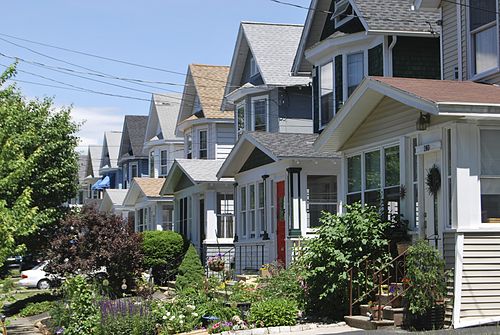
Albany, the capital of New York State, is a city located in the northeastern part of the United States, approximately 135 miles north of New York City along the west bank of the Hudson River. With a population of around 97,000, it is part of the Albany-Schenectady-Troy Metropolitan Statistical Area, which has a broader population of about 870,000. The city has a rich history, having been originally settled by the Dutch in the early 17th century and formally chartered in 1686. Albany is recognized for its crucial role in the American Revolutionary War and its significance in the development of the transportation network in New York, especially with the construction of the Erie Canal in the 19th century.
Albany is known for its diverse economy, which includes sectors such as government, healthcare, education, and technology. The city houses numerous educational institutions, including the University at Albany, SUNY, and Albany Law School. In addition to its educational prominence, Albany is also recognized for its cultural heritage, featuring several museums, art galleries, and theaters. Historical landmarks such as the New York State Capitol, the New York State Museum, and the Empire State Plaza contribute to the city's significance. Albany's architecture presents a blend of styles, ranging from Dutch colonial to modernist structures, reflecting its historical evolution. The city's location also makes it an essential hub for transportation, with convenient access via major highways and railways, connecting it to other prominent northeastern cities. Overall, Albany embodies a mix of historical richness, cultural diversity, and economic vibrancy, making it an important center in New York State.
Facts about Albany
- Albany is one of the oldest continuously inhabited cities in the United States, founded in 1624 by Dutch colonists.
- It serves as the capital of New York State, making it unique among cities in the state which hold significant roles, such as New York City and Buffalo.
- Albany is home to the New York State Capitol building, an architectural marvel completed in 1899, known for its distinctive Romanesque and Renaissance Revival style.
- The city played a crucial role in the history of the United States as a center of trade and commerce in the 19th century, particularly during the construction of the Erie Canal.
- Albany hosted the first women's rights convention in the state in 1848, highlighting its historical significance in social movements.
- The Empire State Plaza, a complex in Albany, features a striking modernist design and is home to the New York State Museum and the New York State Archives.
- Albany's Washington Park is famous for its beautiful tulip festival held every spring, celebrating the city’s Dutch heritage.
- The Albany Institute of History & Art is one of the oldest museums in the country, founded in 1791, focusing on the rich history and culture of the Upper Hudson Valley.
- Albany's annual LarkFest is the largest one-day street festival in New York State, showcasing local music, food, and artisans in a vibrant community atmosphere.
- The city is known for its distinct Albany-patented "Albany Law School", the oldest independent law school in the United States, established in 1851.