Alexandroupoli, Greece
- 52,979 people
- 12 places to visit
- 40.8456, 25.8741
Places to Visit (12)
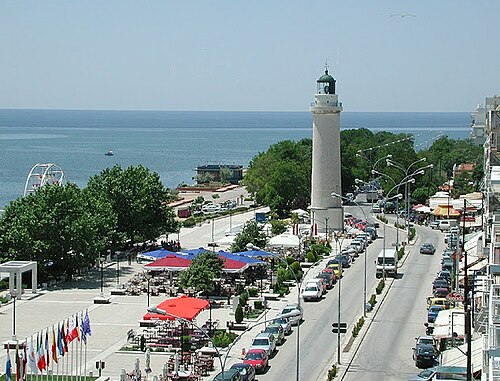
Alexandroupoli is a vibrant city located in northeastern Greece, serving as the capital of the Evros regional unit. Situated on the Aegean Sea, it is strategically positioned near the borders of Turkey and Bulgaria, making it an important commercial and transportation hub. With a population of approximately 60,000 residents, the city is known for its multicultural atmosphere, resulting from its historical connections to various civilizations, including the Greeks, Romans, Ottomans, and Bulgarians. Founded in the late 19th century, Alexandroupoli quickly developed due to its natural harbor, which became central to trade and commerce in the region.
The city features a blend of modern and traditional architecture, with notable landmarks that reflect its rich history. The Lighthouse of Alexandroupoli, built in 1880, is one of the iconic symbols of the city and has become a popular tourist attraction. Other significant sites include the Church of Agios Nikolaos and the Ethnological Museum of Thrace, which showcases the region's diverse cultural heritage. Alexandroupoli is also known for its picturesque waterfront promenade lined with cafes, restaurants, and shops, offering visitors a vibrant atmosphere to relax and socialize. The city's strategic location not only makes it a key commercial port but also a gateway for travelers exploring the natural beauty of the region, including nearby attractions such as the Dadia-Lefkimi-Soufli Forest National Park, famous for its rich biodiversity and bird-watching opportunities.
Economically, Alexandroupoli benefits from its ports and the agriculture of the surrounding Evros region, known for rice, tobacco, and cotton production. The city is becoming increasingly recognized for its potential as a tourist destination, with its beautiful beaches and burgeoning maritime tourism. Additionally, Alexandroupoli plays a crucial role in connecting Greece to other Balkan countries, facilitating both trade and cultural exchanges. Overall, Alexandroupoli stands out as a dynamic city that embodies the historical richness and natural beauty of northeastern Greece while continuing to grow as an innovative and attractive destination for both residents and visitors alike.
Facts about Alexandroupoli
- Alexandroupoli is named after Alexander the Great, reflecting its historical significance in Greek heritage.
- The city is located at the northeastern part of Greece, near the border with Turkey, making it a key location for trade and cross-border cultural exchange.
- Alexandroupoli has one of Greece's largest ports, which plays a crucial role in maritime trade and logistics in the region.
- The Lighthouse of Alexandroupoli, built in 1880, is one of the tallest lighthouses in Greece and serves as an iconic landmark of the city.
- Alexandroupoli's beach, known as 'Alevra Beach', is famous for its scenic beauty and blue flag status, attracting both locals and tourists.
- The city is celebrated for its multicultural atmosphere, with influences from Greek, Turkish, and Bulgarian cultures due to its proximity to the borders.
- Alexandroupoli hosts the annual 'Alexandroupoli International Short Film Festival,' promoting independent filmmaking and creativity in the arts.
- The Evros Delta, located near Alexandroupoli, is a significant biodiversity hotspot and a protected area, attracting nature lovers and birdwatchers.
- The city is known for its seafood cuisine, particularly fresh fish and local delicacies, making it a gastronomic destination in Greece.
- Alexandroupoli is a university town, home to the Alexandroupolis campus of the Democritus University of Thrace, enhancing its vibrant educational environment.