Ali Sabih, Djibouti
- 50,006 people
- 1 places to visit
- 11.1543, 42.7069
Places to Visit (1)
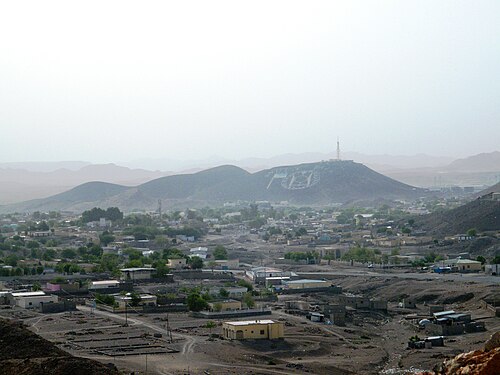
Ali Sabih, also known as Ali Sabieh, is a notable town in the Djibouti region of Djibouti, situated approximately 14 kilometers southwest of the country's capital, Djibouti City. It serves as the capital of the Ali Sabih region and is one of the few populated areas in this relatively rural region. The town is strategically located along the main transport route that connects the capital to the southern regions of the country and nearby Ethiopia, making it an essential hub for commerce and trade.
The urban landscape of Ali Sabih is characterized by its vibrant marketplace, where local goods, produce, and traditional crafts are traded. The town is inhabited predominantly by the Somali ethnic group, with a rich cultural heritage reflected in the customs, language, and daily life of its residents. The economy of Ali Sabih is largely based on agriculture, livestock, and trade, with many locals engaged in farming to support their livelihoods. The surrounding areas are known for their arid landscape and occasional greenery, which attracts visitors seeking to experience the authentic lifestyle of rural Djibouti.
Despite its relatively small size, Ali Sabih plays a crucial role in the social and economic framework of Djibouti. The town has been developing gradually and has seen improvements in infrastructure, including access to education and healthcare services. The local government is working towards enhancing the quality of life for its residents and addressing issues such as water scarcity, which is a significant concern in this arid region. Overall, Ali Sabih embodies the spirit of Djibouti with its blend of tradition, commerce, and community resilience.
Facts about Ali Sabih
- Ali Sabih is known as the regional capital of the Ali Sabieh region in Djibouti, distinguishing it from other towns and cities in the country.
- The city is located near the border with Somalia, giving it a strategic geographical significance.
- Ali Sabih was established as a military post by the French colonial administration, which adds historical depth to its significance.
- The name 'Ali Sabih' translates to 'Ali the Beautiful' in Arabic, reflecting the local cultural heritage.
- The city serves as a hub for trade and transportation between Djibouti and its neighboring countries, marking it as an economic center.
- Ali Sabih hosts a unique annual cultural festival that celebrates the diverse ethnicities and traditions of the region.
- The surrounding landscape features stunning vistas of mountains and arid plains that are distinct compared to other, more coastal areas of Djibouti.
- Ali Sabih is home to several ancient archaeological sites, showcasing artifacts that date back to prehistoric times.
- The population of Ali Sabih is predominantly composed of the Somali ethnic group, which shapes the local customs and traditions.
- The city has witnessed various development projects in recent years aimed at improving infrastructure and public services, setting it apart from smaller towns.