Alīgarh, India
- 753,207 people
- 14 places to visit
- 27.8974, 78.088
Places to Visit (14)
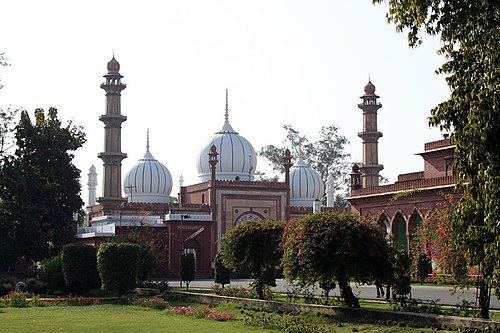
Alīgarh is a city located in the northwestern region of the Indian state of Uttar Pradesh. It serves as the administrative headquarters of Alīgarh district and is situated approximately 150 kilometers southeast of the national capital, New Delhi. The city is historically significant and is known for its rich cultural heritage, especially in relation to education and social reform in India. Alīgarh is most famously home to the Aligarh Muslim University (AMU), established in 1920, which has been a pivotal institution for higher education in the country and has contributed significantly to the intellectual and social development of the Muslim community in India.
The city has a diverse population, comprising individuals from various religious and cultural backgrounds. Alīgarh’s economy is predominantly reliant on agriculture, with a focus on the cultivation of crops such as wheat, sugarcane, and mustard. In addition to agriculture, Alīgarh is known for its lock and hardware manufacturing industry, which has a legacy dating back to the late 19th century. The city's historical landmarks, including the Alīgarh Fort established by the Mughal emperor Akbar and its plethora of mosques, temples, and educational institutions, reflect its architectural and historical significance. With its strategic location, rich history, and educational prominence, Alīgarh continues to be an important city in India’s socio-economic landscape.
Facts about Alīgarh
- Alīgarh is best known for being the home of Aligarh Muslim University (AMU), one of the oldest universities in India, established in 1875.
- The city played a significant role in the Indian independence movement, notably through the efforts of Sir Syed Ahmad Khan, who focused on education and social reform for Muslims.
- Alīgarh is famous for its lock industry, often referred to as the 'lock city' of India, producing a variety of locks for domestic and international markets.
- The city is home to the historic Alīgarh Fort, which dates back to the 16th century and has served various roles throughout its history.
- Alīgarh is known for its rich cultural heritage, with numerous museums and libraries that preserve the history of the region and its people.
- The city hosts the annual Aligarh Muslim University Alumni Association meetings, which gather alumni from around the world, fostering a strong sense of community.
- Alīgarh is a center for Urdu literature, giving rise to many prominent poets and authors, contributing to the linguistic and cultural landscape of India.
- The city has a diverse population, with significant Hindu and Muslim communities living together, reflecting India's multicultural ethos.
- Alīgarh's economy is bolstered by educational institutions, small-scale industries, and agriculture, making it a hub for various sectors.
- The city has a notable tradition of producing numerous successful professionals, including politicians, scholars, and scientists, contributing to national development.