Almassora, Spain
- 25,831 people
- 8 places to visit
- 39.9478, -0.063
Places to Visit (8)
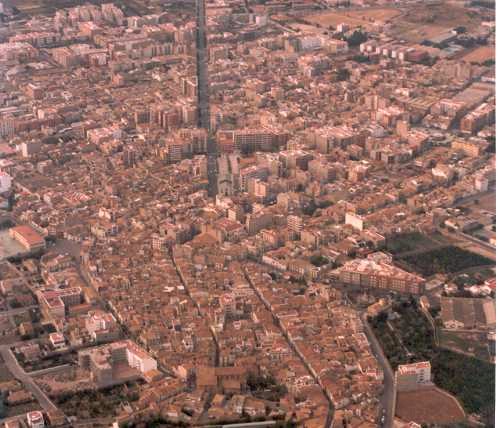
Almassora is a municipality located in the province of Castellón, within the autonomous community of Valencia, Spain. Nestled along the eastern coast of the Iberian Peninsula, it shares its borders with the Mediterranean Sea to the east and is situated just a few kilometers from the provincial capital, Castellón de la Plana. With a population of approximately 26,000 residents, Almassora combines the charm of a small town with the conveniences of modern living, offering a rich cultural heritage and a vibrant local community. The town is characterized by its strategic location, which provides residents and visitors access to beautiful beaches, agricultural lands, and a variety of local businesses.
Historically, Almassora has roots that date back to the Roman period, and evidence of this can be found in various archaeological sites around the area. The town's development accelerated during the Middle Ages, influenced by its agricultural surroundings and trade routes. Today, Almassora is known for its agricultural economy, particularly the production of citrus fruits, which thrive in the favorable Mediterranean climate. Moreover, the town hosts various festivals, notably the Fiestas de Santa Quiteria in May, which showcases traditional costumes, music, and a strong sense of community. The local gastronomy reflects the region's agricultural bounty, featuring dishes that highlight fresh, locally-sourced ingredients. Almassora also prioritizes modern amenities, including schools, healthcare facilities, and recreational spaces, making it an attractive place for families and retirees alike. As part of the province of Castellón, Almassora is well-connected to other towns and cities, contributing to its appeal as a residential area while still retaining a quaint, traditional Spanish atmosphere.
Facts about Almassora
- Almassora is renowned for its traditional Mediterranean architecture, with many historic buildings reflecting a blend of Gothic and Baroque styles.
- The city has a long-standing tradition of ceramics production, dating back to the medieval period, which continues to be a vital part of its cultural heritage.
- Almassora hosts the annual 'Fallas de Almassora' festival, a colorful celebration featuring large papier-mâché sculptures, fireworks, and parades, distinct from other celebrations in the region.
- The 'Carrer de la Sombra' in Almassora is famous for its unique architectural feature where the narrow street is covered in shade, providing a cool respite in the hot summer months.
- Almassora is located along the Mediterranean coast, featuring beautiful beaches that are less crowded compared to neighboring tourist cities, providing a more tranquil experience for visitors.
- The city is known for its commitment to environmental sustainability, earning recognition for various initiatives aimed at promoting green spaces and renewable energy.
- Almassora has a rich culinary scene that includes traditional dishes influenced by both its coastal location and agricultural surroundings, notably its rice dishes and local produce.
- The city's historical center is home to the Church of Our Lady of Sorrows, an important landmark that showcases stunning Baroque elements and serves as a community gathering place.
- Almassora's proximity to the Sierra de Espuña mountains offers unique outdoor recreational opportunities, including hiking and nature watching, making it distinct from other coastline-centric towns.
- Every January, Almassora celebrates the festival of San Vicente, featuring a unique mix of religious processions and local music, highlighting the city's deep-rooted cultural identity.