Almelo, Netherlands
- 72,725 people
- 16 places to visit
- 52.367, 6.6685
Places to Visit (16)
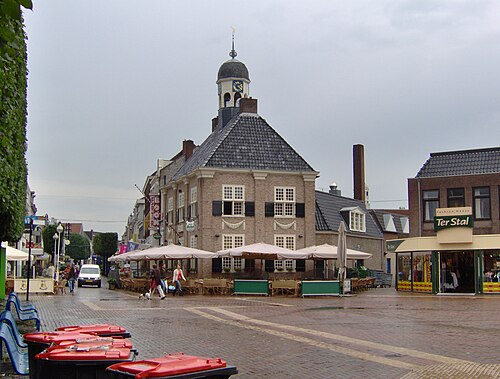
Almelo is a city located in the eastern part of the Netherlands, within the province of Overijssel. Situated by the Almelo River, it is part of the municipality of the same name, which has roots dating back to the Middle Ages. The city has a rich historical background, with its first documented mention occurring in 1253. Almelo grew significantly during the Industrial Revolution, particularly in the textile sector, when it became a hub for the production of linen and other textiles. This industrial growth led to a population increase and the development of the area's infrastructure, including railways that connected Almelo to other major cities.
Over the years, Almelo has transformed into a vibrant community that blends historical charm with modern conveniences. The city features a variety of architectural styles, from historical buildings like the 17th-century Almelo Castle to more contemporary structures. Cultural life in Almelo is marked by several annual events, including the local carnival and various music festivals, which reflect the community's active spirit. Almelo is also home to several parks and green spaces, offering residents and visitors recreational opportunities. The city's educational facilities are well-regarded, providing quality schooling from primary through secondary levels. Almelo's strategic location enables easy access to larger urban centers such as Enschede and Hengelo, making it an attractive place for both living and working.
Despite its industrial past, Almelo has diversified its economy, with growth in sectors such as technology and services. This evolution has fostered a mix of old and new, allowing the city to maintain its historical significance while adapting to contemporary needs. Almelo continues to promote sustainability and innovation, striving to balance economic development with environmental considerations. The city's population is around 73,000, reflecting its status as a key urban center in the region. Accessible transportation links, including bus and rail services, facilitate connections to nearby cities and towns, enhancing Almelo's role as an essential node within the Dutch transportation network. With its rich history, cultural vibrancy, and economic resilience, Almelo stands as a noteworthy example of a Dutch city that successfully marries tradition with modernity.
Facts about Almelo
- Almelo is known for its historic textile industry, which played a vital role in its economy during the 19th and early 20th centuries.
- The city features the beautiful 'Kasteel Almelo,' a 17th-century castle that is now a hotel and unique wedding venue, contrasting with many cities that lack such historical architecture.
- Almelo hosts the annual 'Almelo Jazz Festival,' which attracts both local and international jazz artists, echoing a vibrant music scene that sets it apart from other Dutch towns.
- One of the city's notable landmarks, the 'Bovenmati', is a unique water mill dating back to 1834, showcasing Almelo's historical reliance on water for industry.
- The 'Stadspark Almelo' is a remarkable green space that not only serves as a recreational area but also features historical monuments, making it distinctively innovative in urban parks.
- Almelo has a rich connection to the Dutch military, being home to various historical military installations and events that showcase its significance in national defense.
- In addition to its textile history, Almelo is recognized for producing high-quality ceramics and pottery during the 20th century, adding to its cultural uniqueness.
- Almelo is known for its beautiful canals and ports, which have been used since the medieval period for transportation and trade, setting it apart from inland Dutch cities.
- The city emphasizes sustainability through various initiatives, such as promoting cycling and utilizing renewable energy sources, reflecting its modern environmental approach.
- Almelo's central location in the eastern Netherlands makes it a strategic hub for transportation and logistics, distinguishing it from more remote towns.