Almería, Spain
- 188,810 people
- 15 places to visit
- 36.8341, -2.4637
Places to Visit (15)
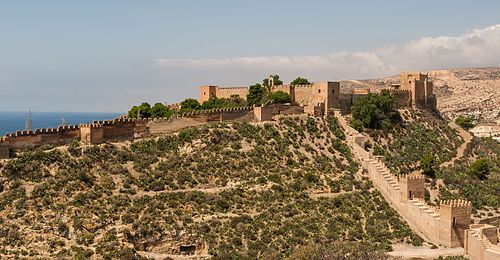
Almería is a historic city located in the southeastern region of Spain, part of the autonomous community of Andalusia. With its origins tracing back to the 10th century, Almería was founded by the Moors as a strategic port and a military stronghold. The city has a rich cultural heritage, evidenced by its well-preserved monuments, including the Alcazaba, a formidable fortress that dominates the skyline. Built in the mid-10th century, the Alcazaba served as a palace and military installation, showcasing Islamic architecture, with its intricate designs and expansive views of the city and Mediterranean Sea. The city is also home to several historic churches, such as the Cathedral of Almería, which was constructed in the late Renaissance style and fortified to withstand attacks.
Modern Almería thrives as a bustling hub for agriculture and tourism, primarily due to its abundant sunshine and fertile soil. The region is known as one of Europe's leading producers of fruits and vegetables, with vast greenhouses dotting the landscape, particularly in the nearby municipalities of El Ejido and Roquetas de Mar. The local economy is further bolstered by tourism, with visitors drawn to Almería's stunning beaches, the Cabo de Gata-Níjar Natural Park, and the rich cultural experiences it offers. The park is a biosphere reserve known for its unique landscapes, including volcanic features, cliffs, and secluded coves, providing opportunities for outdoor activities like hiking, cycling, and swimming.
Almería boasts a vibrant local culture, heavily influenced by its historic past. The city's festivals, such as the annual Feria de Almería, celebrate its traditions with music, dance, parades, and local gastronomy. The culinary scene features a blend of Mediterranean and Andalusian flavors, with a particular emphasis on fresh seafood and local produce. Almería's strategic location along the coast and proximity to the Sierra de Filabres mountains make it an appealing destination for both history enthusiasts and nature lovers. As a city that seamlessly blends rich history with vibrant modern life, Almería represents an asset to Spain's cultural and economic landscape.
Facts about Almería
- Almería is home to the Alcazaba of Almería, one of the largest fortified structures in Spain, built in the 10th century by Muslim rulers.
- The region around Almería is known for having some of the only desert landscapes in Europe, featuring the Tabernas Desert, which has been a popular location for spaghetti western films.
- Almería boasts a unique agricultural economy, having transformed its arid landscape into a fertile area through innovative greenhouse farming techniques, resulting in it being one of the leading areas for vegetable production in Europe.
- The city was once a major port during the Muslim rule and played an important role in the trade of goods, culture, and ideas between Africa and Europe.
- Almería's annual Festival of Almería, held in August, celebrates the city's cultural heritage with music, dance, and various local traditions, making it one of the biggest events in the region.
- The city has a vibrant tapas culture, offering a wide variety of local specialties that often include fresh seafood, reflecting its coastal location.
- Almería was the site of significant battles during the Spanish Civil War, and remnants from this period, including underground shelters and fortifications, can still be visited today.
- The Cathedral of Almería, built in the 16th century, combines fortification and religious architecture, reflecting its historical significance during times of threat.
- In 1992, Almería hosted the Mediterranean Games, which showcased its development and the ability to host international sporting events.
- Almería is known for its unique natural park, the Cabo de Gata-Níjar Natural Park, which features stunning coastal landscapes, rich biodiversity, and remains relatively untouched by mass tourism.