Almonte, Spain
- 21,782 people
- 3 places to visit
- 37.2597, -6.517
Places to Visit (3)
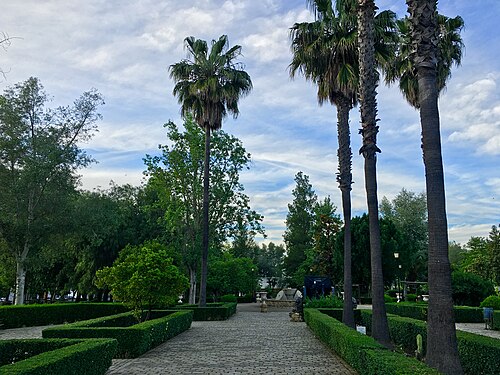
Almonte is a municipality situated in the province of Huelva, within the autonomous community of Andalusia, southern Spain. Located approximately 37 kilometers southwest of Seville, Almonte is known for its rich cultural heritage and historical significance. The town's origins trace back to the Moorish period, and the architecture reflects its unique historical evolution. A key highlight of Almonte is the Sanctuary of El Rocío, which draws thousands of pilgrims each year. This pilgrimage, dedicated to the Virgin of El Rocío, plays a vital role in local culture and tradition, further enhancing the town's profile as a spiritual center in southern Spain.
In addition to its religious significance, Almonte is surrounded by stunning natural landscapes, including the Donana National Park, a UNESCO World Heritage site recognized for its biodiversity and ecological importance. The region combines wetlands, dunes, and marshes, providing a habitat for many species, including migratory birds. This proximity to significant natural beauty supports local agriculture and has made Almonte an important center for strawberry production, often referred to as "fresa" in Spanish. The town's economy heavily relies on agriculture, tourism, and its vibrant cultural festivities, which celebrate both religious and seasonal events. With its unique blend of spiritual heritage, natural beauty, and agricultural significance, Almonte exemplifies the rich tapestry of Andalusian culture.
Facts about Almonte
- Almonte is known for its proximity to the Doñana National Park, a UNESCO World Heritage site that is one of Europe's most important wetlands and a biodiversity hotspot.
- The town is famous for its annual pilgrimage to the shrine of El Rocío, drawing thousands of pilgrims from across Spain, which showcases a unique blend of religious devotion and local culture.
- Almonte is home to the unique 'Rocío' horses, which are traditionally used during the pilgrimage and have become a symbol of the town's cultural heritage.
- The town has a rich history of the 'Carmen de Almonte' festival, which celebrates the Virgen del Rocío, distinct from other regional festivities in Spain.
- Almonte has produced notable figures in Spanish culture, including artists and writers who have contributed to the Andalusian identity.
- The local architecture showcases traditional Andalusian styles, characterized by whitewashed buildings and vibrant colors, which distinguishes it from other Spanish towns.
- Almonte's economy is significantly influenced by agriculture, particularly the cultivation of strawberries, earning it the title 'Strawberry Capital' in this southern region.
- The town actively preserves its traditional crafts, such as pottery and artisan cheese-making, which are less common in other parts of Spain.
- Almonte was the birthplace of the famous bullfighter ‘El Cordobés', which adds a notable element to its cultural significance within the Spanish bullfighting tradition.
- Unlike many other towns in Spain, Almonte has a unique duality in its name; it is often referred to as 'Almonte de la Virgen' due to its strong link to the Virgen del Rocío.