Almuñécar, Spain
- 27,696 people
- 18 places to visit
- 36.7345, -3.689
Places to Visit (18)
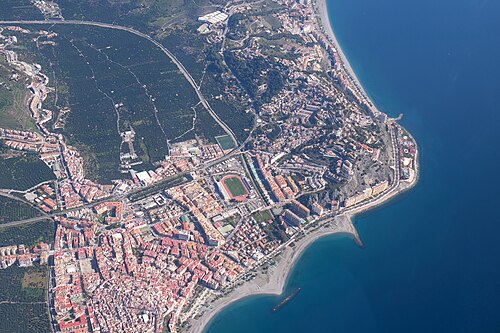
Almuñécar is a picturesque coastal town located in the province of Granada, in the autonomous community of Andalusia, Spain. Situated on the Mediterranean Sea, it is part of the Costa Tropical and is renowned for its beautiful beaches, warm climate, and rich historical heritage. The town has a population of approximately 25,000 residents and is a popular tourist destination, attracting visitors with its stunning landscapes, cultural attractions, and recreational activities. The area boasts a Mediterranean climate, characterized by mild winters and hot, dry summers, making it ideal for outdoor activities year-round.
Historically, Almuñécar has roots dating back over 2,000 years, having been influenced by various civilizations, including the Phoenicians, Romans, and Moors. The town is home to several historical sites, including the ancient Roman aqueduct, the remains of a Moorish castle known as the Castillo de San Miguel, and the beautiful Church of Our Lady of Sorrows, which showcases impressive Baroque architecture. Almuñécar also has an array of botanical gardens, such as the Majuelo Park, which features subtropical plants that thrive in the region's unique climate. The town celebrates various festivals throughout the year, including the Feria de Almuñécar in September, which highlights local culture, music, and cuisine.
In addition to its cultural and historical significance, Almuñécar offers a variety of recreational opportunities. The town's scenic coastline includes several beaches, such as Playa de San Cristóbal and Playa del Tesorillo, where visitors can enjoy swimming, sunbathing, and water sports. The surrounding mountains provide opportunities for hiking, mountain biking, and exploring the natural beauty of the region. Gastronomically, Almuñécar is known for its fresh seafood and local produce, particularly avocados and mangos, which thrive in its fertile land. Overall, Almuñécar presents a harmonious blend of history, culture, and natural beauty, making it a remarkable destination on the Spanish Riviera.
Facts about Almuñécar
- Almuñécar is known for its rich Phoenician history, with archaeological findings such as the ancient fish salting factories that date back to over 2,500 years ago.
- The city features a unique tropical climate, which allows it to be one of the few places in Europe where subtropical fruits like avocados and mangoes are grown commercially.
- Almuñécar is home to the historic Castillo de San Miguel, a beautiful Moorish castle that offers panoramic views of the Mediterranean Sea and the surrounding landscape.
- The town celebrates the traditional festival of San Juan in June, which includes bonfires on the beach and vibrant celebrations, distinguishing it from other celebrations in Spain.
- Almuñécar boasts a network of coastal paths known as 'Caminos de Ronda' that offer stunning views of the cliffs and coves of the Costa Tropical, making it a unique hiking destination.
- The city hosts an annual International Jazz Festival, attracting musicians and tourists from around the world and featuring performances in various venues across the town.
- Almuñécar features a Roman aqueduct, known as the 'Aqueduct of Almuñécar,' which showcases the engineering prowess of ancient civilizations and adds to the town’s historical significance.
- The town's botanical garden, the 'Majuelo Park,' is home to a collection of subtropical plants and exotic palm species, highlighting its unique biodiversity.
- Almuñécar has preserved its traditional charm with narrow streets and whitewashed houses, representing the Moorish architectural influence in comparison to more contemporary Spanish towns.
- The local cuisine emphasizes fresh seafood and dishes like 'espeto de sardinas' (sardines skewered and grilled over a fire), reflecting its coastal heritage and proximity to the sea.