Alsdorf, Germany
- 46,340 people
- 12 places to visit
- 50.8716, 6.1648
Places to Visit (12)
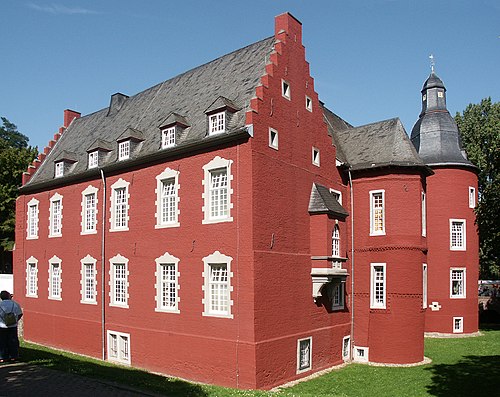
Alsdorf is a city located in the district of Aachen in North Rhine-Westphalia, Germany. It lies in the western part of the country, close to the borders with Belgium and the Netherlands. With a population of approximately 20,000 residents, Alsdorf is part of the larger metropolitan area of Aachen, known for its significant historical and cultural heritage. The city enjoys a central location in the Rur Valley, which has historically been an important industrial region, especially during the coal mining era. The local economy was heavily influenced by mining and industry, although these sectors have declined over the years, leading to a transition towards service-based industries and small businesses.
Alsdorf has a rich history that dates back to the Roman period, as evidenced by various archaeological finds in the area. The city was officially established in the 19th century as a mining community and grew rapidly due to the industrial boom. The remnants of this industrial past can still be seen in the architecture and structures dotting the landscape, including the notable remnants of former coal mines. Today, Alsdorf focuses on improving the quality of life for its residents, offering various cultural and recreational opportunities, including parks, leisure facilities, and community events. The city's commitment to sustainable development is evident in its ongoing efforts to revitalize former industrial sites into parks and residential areas, promoting a blend of history and modern living.
Furthermore, Alsdorf is well connected through public transportation, making it easy for residents to commute to nearby cities, including Aachen, which is known for its prestigious university and historic sites, such as the Aachen Cathedral. The city's strategic location allows for a rich exchange of culture and commerce, with many residents benefiting from the proximity to international borders. Local attractions include several museums, cultural centers, and annual festivals that celebrate life in the region. As Alsdorf continues to evolve, it embraces both its historical roots and the challenges of contemporary urban life, striving to remain a vibrant community within the Aachener Land region.
Facts about Alsdorf
- Alsdorf is part of the district of Aachen in North Rhine-Westphalia, and it is located close to the borders with Belgium and the Netherlands, making it a tri-national hub.
- The city was founded as a coal mining town in the 19th century, playing a significant role in the industrial development of the region, particularly in the coal and steel industries.
- Alsdorf is home to the 'Alsdorf Water Tower', a notable landmark built in 1914, which stands at 60 meters and was originally used for providing water to the municipality.
- The city has a unique urban museum, the 'Stadtmuseum Alsdorf', which showcases the local history and the impact of the coal industry on the community.
- Alsdorf hosts the annual 'Alsdorf Weihnachtsmarkt' (Christmas Market), which is known for its local crafts and festive atmosphere, attracting visitors from surrounding regions.
- The city is known for its green spaces, with the 'Stadionpark' offering a variety of recreational activities including walking trails, sports facilities, and picnic areas.
- Alsdorf has a significant number of preserved historical buildings, including the Church of St. Joseph, built in the early 20th century, showcasing Neo-Romanesque architecture.
- The city was once the site of the Alsdorf colliery, which began operations in 1891 and was instrumental in the economic development of the region until its closure in the 1960s.
- Alsdorf has a vibrant cultural scene, hosting various events and festivals throughout the year that celebrate its diverse community and heritage.
- The city has made efforts to promote sustainability, including the establishment of the 'Alsdorf Green City' initiative to enhance urban living and environmental awareness.