Altamira, Mexico
- 59,536 people
- 11 places to visit
- 22.4077, -97.9212
Places to Visit (11)
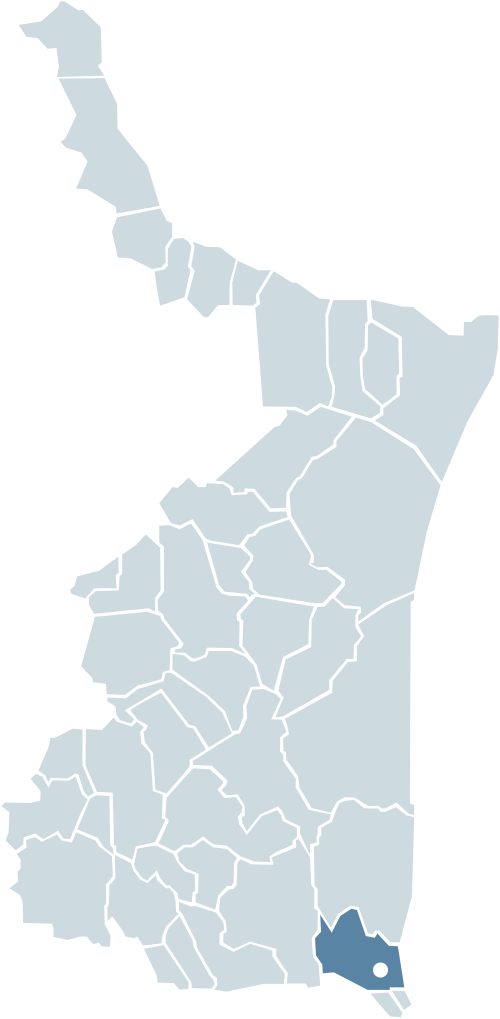
Altamira is a city located in the eastern part of Mexico, within the state of Tamaulipas. Positioned approximately 25 kilometers north of the Gulf of Mexico, it serves as a significant industrial and port city. Alongside its neighboring municipality of Tampico, Altamira plays a crucial role in the regional economy, thanks in part to its strategic placement on the shores of the Pánuco River. The area is characterized by a rich agricultural and industrial base, contributing to both local and national development.
The city's history dates back to the pre-Hispanic era, with indigenous groups such as the Huastecos inhabiting the region. However, Altamira's modern development began in the 20th century, particularly after the establishment of the Altamira Port in the 1970s, which facilitated trade and commerce. Today, the port is one of the busiest in Mexico, handling a diverse range of cargo and serving as a vital link for international shipping routes. The industrial sector in Altamira is robust, with numerous manufacturing plants and petrochemical facilities contributing to the economy.
Altamira boasts several attractions for visitors and residents alike, including parks, cultural sites, and recreational areas. The city is known for its vibrant community life, featuring various festivals and events that celebrate local traditions and heritage. The climate in Altamira is typically warm and humid, with a tropical feel that supports lush vegetation and agriculture. Overall, Altamira stands as an essential hub in northeastern Mexico, blending historical significance with modern industrial capabilities, while maintaining its cultural identity amidst rapid development.
Facts about Altamira
- Altamira is known for its significant role in the regional economy of Tamaulipas, being a key port city and industrial hub.
- The city hosts the Altamira Industrial Port, one of Mexico's largest ports, facilitating international trade and commerce.
- Altamira is unique for its proximity to the beautiful beaches of the Gulf of Mexico, attracting both tourists and locals for recreation and relaxation.
- The area around Altamira is rich in biodiversity, including several protected natural areas and reserves, such as the Estero del Llano Grande.
- Altamira has a vibrant cultural scene, with annual festivals that celebrate local traditions, including the Carnival de Altamira, which features parades, music, and dance.
- The city is home to the historic Church of Our Lady of Sorrows, an architectural landmark that reflects the colonial history of the region.
- Altamira's economy not only thrives on industry but also benefits from agriculture, with significant production of citrus and other crops in its surrounding areas.
- The city was originally founded in the early 20th century and has rapidly developed into a modern urban center, distinguishing it from many older towns in Mexico.
- Altamira plays a significant role in the energy sector, with numerous facilities related to oil refining and gas projects located in the region.
- The local cuisine in Altamira features unique seafood dishes influenced by the coastal location, setting it apart from other culinary traditions in Mexico.